

How to Become a Commercial General Contractor in Alberta: 2026 Licensing & Safety Guide
Executive Summary
Launching a commercial general contracting (CGC) firm in Alberta requires navigating a decentralized regulatory environment where corporate compliance, safety certification, and financial capacity serve as your primary credentials. Unlike Quebec’s centralized RBQ system, Alberta does not have a single provincial "Contractor License" for commercial work. Instead, success in the 2026 Alberta market depends on securing municipal business licenses in every jurisdiction where you operate, maintaining WCB Alberta standing, and achieving COR or SECOR safety certification. A key pre-qualification expected by most major owners and institutional clients. This guide outlines the essential phases for establishing a compliant and competitive commercial firm in Alberta’s industrial, commercial, and institutional (ICI) sectors.

Why Compliance Matters in 2026: The Alberta Risk Profile
- The Municipal Patchwork: Alberta’s system is municipality-driven. If your headquarters is in Calgary but you win a contract in Edmonton, you must typically hold a valid business license in both cities. Operating without the correct municipal credentials can lead to work stoppages and administrative penalties.
- COR/SECOR: The Competitive Must-Have: While not a government "license," a Certificate of Recognition (COR) or Small Employer Certificate of Recognition (SECOR) is a common pre-qualification for public and institutional tenders. Most major clients in 2026 view this safety certification as a baseline requirement for even being considered for a bid.
- Prompt Payment Compliance: Alberta’s Prompt Payment and Construction Lien Act (PPCLA) dictates strict timelines. Owners must pay a proper invoice within 28 days, and GCs must pay subcontractors within 7 days of receiving that payment.
- Skilled Trade Verification: Under the Skilled Trades and Apprenticeship Education Act (STAEA), specific work (Electrical, Plumbing, HVAC) must be performed by certified journeypersons or registered apprentices. The GC is legally responsible for verifying that "ticketed" trades are properly qualified on-site.
Phase 1: Localized Business Licensing & WCB (The Deep Dive)
While Alberta doesn’t have a central "Commercial Contractor" license, the Municipal Business License and WCB Registration function as your legal "Keys to the Province."
1. Municipal Licensing: The Multi-City Challenge
In Alberta, a business license in one city does not grant the right to work in another. As a General Contractor (GC), you must manage a "Licensing Map" based on your project locations.
City of Calgary: The "Qualified Tradesperson" Portal
Calgary’s system is fully integrated through the VISTA and myID portals.
- The Contractor License: You apply for a "Contractor" business license. The 2026 base fee for a new license is approximately $330, but for Non-Resident firms (those based outside Calgary), a surcharge of $785 typically applies, bringing total startup costs to over $1,100.
- Police Information Check (PIC): As of 2025, the City no longer runs background checks for you. You must independently obtain a PIC ($75 fee) from the Calgary Police Service (or local RCMP) and upload the digital certificate to your application.
- Qualified Tradesperson Registry: Under the Skilled Trades and Apprenticeship Education Act, GCs must list verified Journeypersons on their account to pull permits.
City of Edmonton: The Tiered Fee System
Edmonton uses a Tiered Licensing Bylaw. Most construction activities fall under Tier 2 or Tier 3.
- Non-Resident Surcharge: Edmonton is strict on "Out-of-Town" businesses. Expect tiered fees plus a non-resident add-on (often totaling $957+ depending on the term) if your primary office is not within city limits.
- The "Proper Description" Trap: Category assignment is permanent. If you misclassify your firm as a "Specialized Trade" instead of a "General Contractor," you may face automatic permit denials for multi-trade commercial projects.
Commercial Exemption Note: Pure B2B commercial work is generally exempt from the provincial Prepaid Contracting License. However, the moment you accept a deposit for a residential project or a "mixed-use" renovation involving a home, you must be provincially licensed and bonded through Service Alberta.
2. WCB Alberta: Your Shield Against Lawsuits
In 2026, WCB is a mandatory insurance product that protects you from being sued by injured workers.
Registration & Payroll Estimates
You must notify the WCB within 15 days of hiring your first worker (including temporary or casual help).
- Assessable Earnings (2026): You must estimate your annual payroll, capped at $110,900 per worker. Significant under- or over-estimates of your payroll can result in penalties, interest charges, or retroactive premium adjustments during year-end audits.
- Minimum Premium: While rates vary by industry, the approximate minimum annual premium for very small operations typically starts around $200.
The "Clearance Letter" System
The most important administrative task for an Alberta GC is managing Clearance Letters via the myWCB app.
- Hiring Subs: Before a subcontractor starts work, you must request a Clearance Letter. If a sub does not have a "Clear" status, you are legally liable for their unpaid premiums.
- Payment Holdbacks: GCs should hold back a percentage of a sub’s payment until a final clearance is issued, ensuring no "inherited" liability at the end of the contract.
Personal Coverage for Directors
By default, business owners and corporate directors are not covered by WCB. You must purchase "Personal Coverage" separately (ranging from $34,200 to $110,900) to be protected from lawsuits if you are injured on-site.
The Billdr Advantage: Phase 1 Management
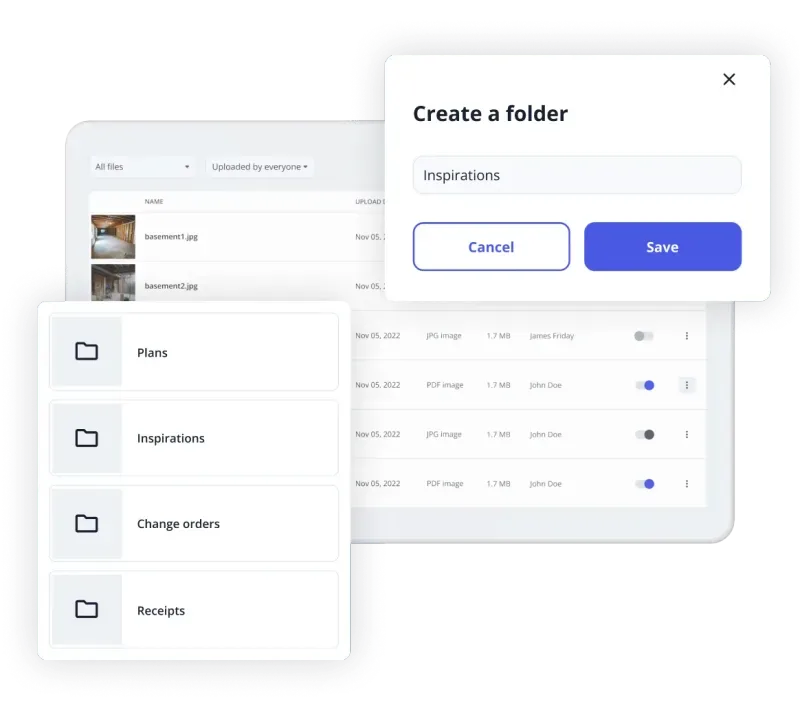
- Centralized Document Storage: Never lose a permit or license again. Organize all municipal business licenses, Calgary PICs, and Edmonton tiered permits in one Project File Vault accessible from the field or the office.
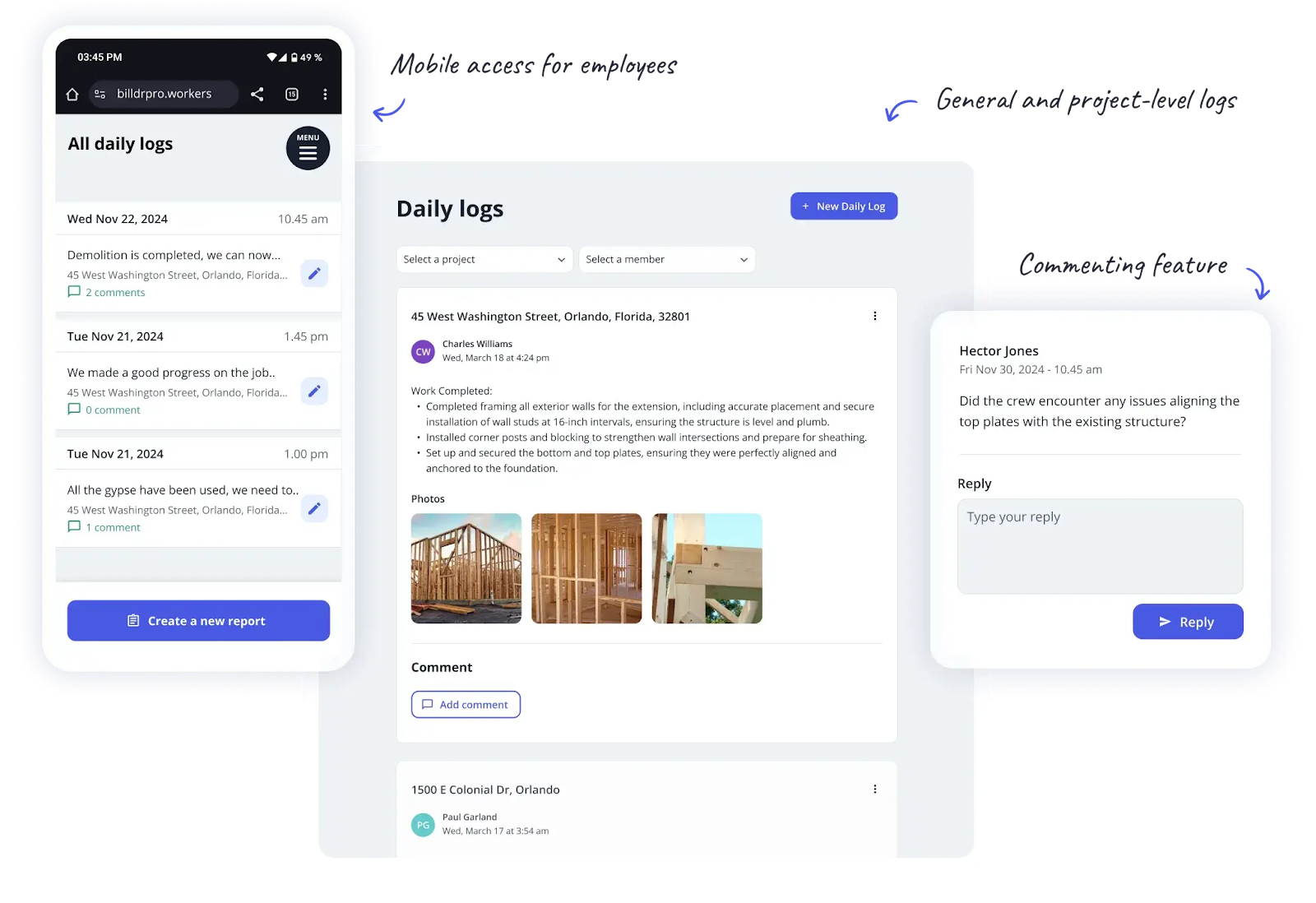
- Daily Site Logs: Use the Daily Logs feature to document that only qualified tradespersons are on-site, fulfilling your municipal requirements for Calgary’s Qualified Tradesperson Registry.
Phase 2: Safety Certification (COR & SECOR) – The Deep Dive
1. COR vs. SECOR: Choosing Your Threshold
The primary difference is the headcount threshold and the audit intensity. In 2026, the threshold remains strict:
- SECOR (Small Employer COR): For firms with 1 to 10 employees (including all owners, managers, and part-time staff covered under your WCB account).
- COR (Standard COR): For firms with 11 or more employees.
- Note: If you have 10 employees today but plan to hire your 11th next month, you should immediately transition to the full COR track, as a SECOR is automatically invalidated once you hit the 11-person mark.
2. The Audit Hierarchy: How You are Measured
To achieve or renew your certification, you must score at least 80% overall, with no less than 50% in any single element. The 2026 audit protocol focuses on three types of evidence:
- Documentation Review: Examining your hazard assessments, inspection reports, and training records for the past 12 months.
- Worker Interviews: Auditors speak privately with a representative sampling of your staff to verify if they actually know your safety procedures.
- Site Observations: Physical walk-throughs of your active commercial sites to see if the "paper program" matches the "field reality."
3. The Financial "Kickback": Partnerships in Injury Reduction (PIR)
The biggest incentive for Alberta GCs is the WCB-Alberta PIR Refund.
- The 20% Refund: By maintaining a valid COR/SECOR and showing improved safety performance, you can earn up to a 20% refund on your industry-rated WCB premiums.
- The "First Year" Bonus: In 2026, first-time COR achievers are eligible for a 10% industry rate discount just for getting certified.
- Industry Leadership: If your claim costs are significantly lower than the industry average for two consecutive years, you can earn the maximum 20% refund even without a massive "year-over-year" improvement.
4. The 2026 Timeline: From "TLC" to Full COR
Achieving certification is a marathon, but you can "sprint" to start bidding using a Temporary Letter of Certification (TLC).
- The TLC (30–60 Days): If you have a safety manual and one trained employee, your Certifying Partner (like ACSA) can issue a TLC. This allows you to bid on "COR Required" tenders while you build your three months of required documentation.
- Full Certification (6–12 Months): This is the time required to build a "Documentation Trail." You need at least 3 months of active safety records (hazard assessments, toolbox talks, and inspections) before you can request your first external audit.
The Billdr Advantage: Safety Excellence
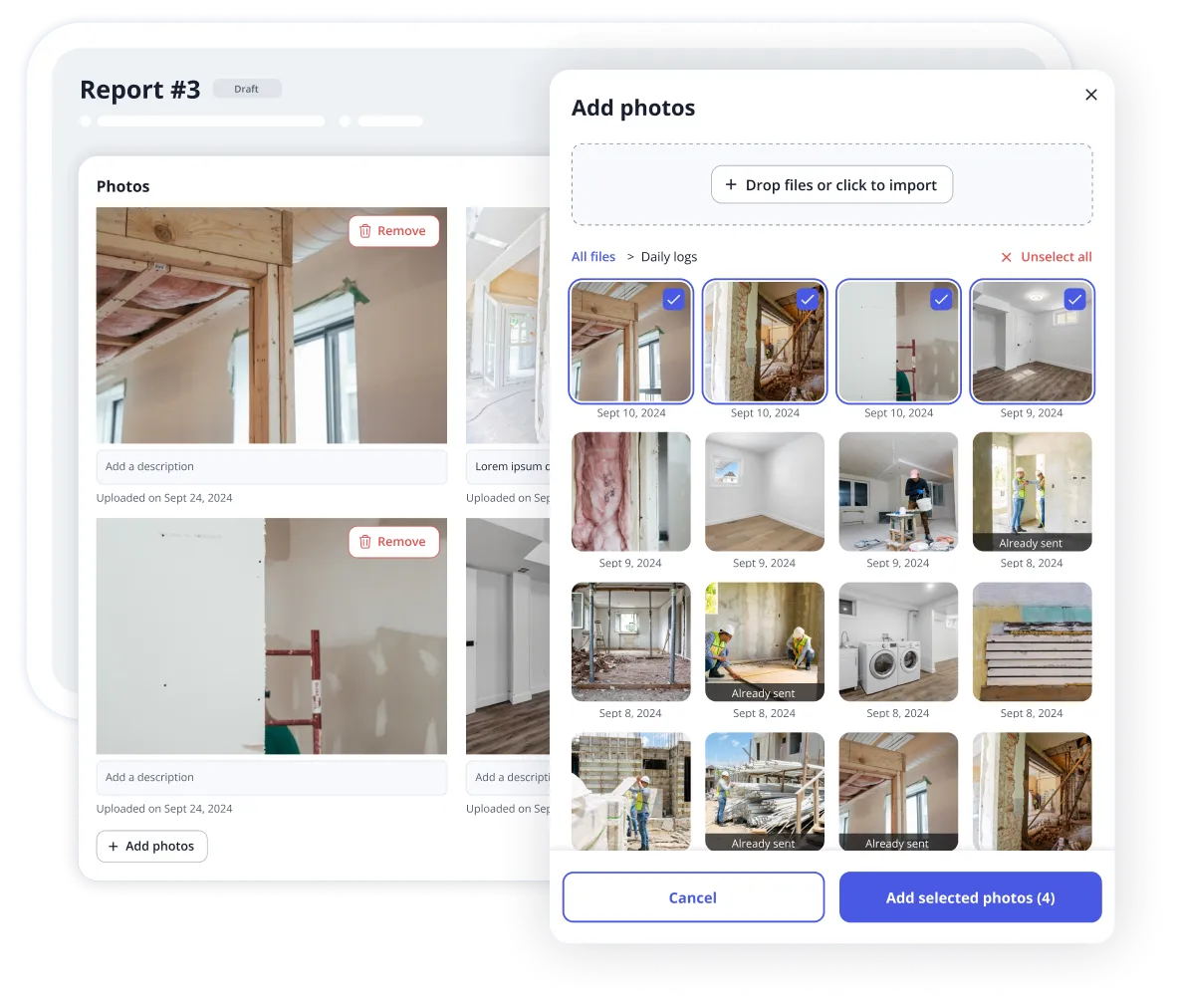
- Verified Daily Safety Logs: Use Daily Reports to document safety briefings and site conditions with GPS-tagged photos and timestamps. This creates a "defensible record" of your safety culture, proving to owners and inspectors that safety protocols were followed every single day.
Phase 3: Financial Capacity & Surety Bonding (The Deep Dive)
1. Commercial General Liability (CGL) Insurance
For commercial and institutional work in Alberta, the baseline has shifted. While residential GCs might survive with $2M, commercial firms are now regularly required to carry $10M in CGL for school, hospital, and municipal projects.
- Wrap-Up Liability: On large ICI projects, you may be required to purchase a "Project-Specific Wrap-Up" policy. This covers the GC and all subcontractors under one umbrella for the duration of the project (plus a 24-month completed operations period).
- Pollution & Environmental Riders: In 2026, many Alberta tenders include mandatory Contractors Pollution Liability (CPL). This covers sudden or gradual environmental damage (e.g., hitting an old fuel tank during excavation or excessive soil run-off into local waterways).
- Errors & Omissions (E&O): If your firm provides "Design-Build" services, you will also need Professional Liability insurance to cover errors in design or engineering oversight.
2. Contract Surety Bonds (The "Financial Passport")
A surety bond is a three-party agreement where a bonding company guarantees your performance to the project owner. In 2026, obtaining a bond facility is more rigorous; sureties are looking at the "Three Cs": Character, Capacity, and Capital.
The Bonding Trifecta
- Bid Bond (10%): Enforceable assurance that you will enter the contract at your bid price. If you back out, the surety pays the owner the difference (and then comes after you for reimbursement).
- Performance Bond (50%–100%): Guarantees the project will be finished as per the CCDC contract. In 2026, many public owners have moved to 100% Performance Bonds due to higher market volatility.
- Labor & Material Payment Bond (50%): Protects your subcontractors and suppliers. This ensures that if the GC fails, the "downstream" trades still get paid, preventing liens on the owner's property.
Understanding "Bonding Capacity"
Your capacity is divided into two limits:
- Single Job Limit: The maximum value for a single project (e.g., $2M).
- Aggregate Limit: The total value of all your active projects combined (e.g., $10M).
2026 Market Note: Sureties now use a "Working Capital Multiplier" (often 10x to 15x) to set these limits. If you want a $5M aggregate limit, you generally need at least $350k–$500k in liquid working capital on your balance sheet.
3. Prompt Payment and Construction Lien Act (PPCLA)
Alberta’s PPCLA is no longer "new" in 2026, it is the law of the land. It mandates a rigid payment rhythm that you must build into your cash flow:
- Proper Invoice: Once you submit a "Proper Invoice" to the owner, they have 28 days to pay.
- Flow-Down: You have 7 days from receipt of that payment to pay your subcontractors.
- Adjudication: Disputes over payment are now handled by a fast-track adjudication process rather than waiting years in court.
The Billdr Advantage: Financial Transparency
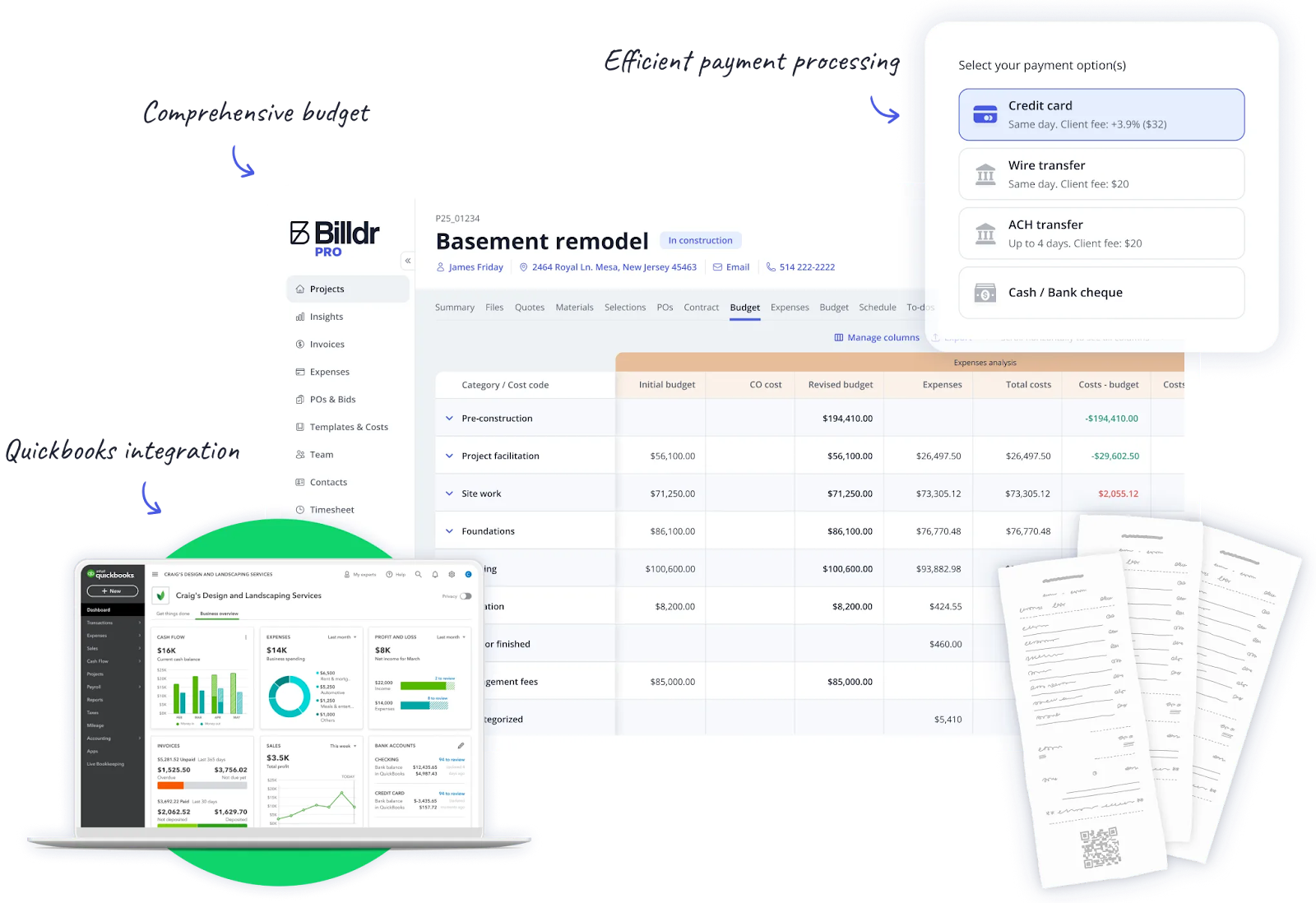
- Real-Time Profitability Tracking: Surety underwriters in 2026 prioritize interim visibility. Billdr provides a live view of your Income vs. Expenses and Profit & Loss per project. By syncing with QuickBooks, you can easily provide the accurate financial snapshots your surety needs to maintain or increase your bonding capacity.
2026 Alberta Commercial Startup Costs (Estimated)
| Category | Requirement | 2026 Est. Cost (CAD) | Timeline |
|---|---|---|---|
| Licensing | Municipal License (Resident Base) | $350 – $900 | 4 – 8 Weeks |
| Licensing | Municipal License (Non-Resident Total) | $1,000 – $1,500+ | 4 – 8 Weeks |
| Safety | WCB Alberta Account Setup | $0 (Administrative) | 1 Week |
| Safety | COR/SECOR Certification (Annual) | $500 – $2,500 | 6 – 12 Months |
| Risk | Commercial GL Insurance ($10M) | $5,000 – $12,000+ | 2 – 4 Weeks |
| TOTAL | Initial Outlay Estimate | $7,500 – $17,000+ | 8 – 12 Months |
Note: Municipal business license fees vary significantly by city, resident status, and additional approvals (police checks, fire, etc.). The ranges above are approximate total startup/annual costs. Requirements can vary by project owner; always verify with the specific city, WCB, and ACSA.
Conclusion
Alberta’s construction landscape in 2026 rewards contractors who prioritize safety, organization, and multi-jurisdiction compliance. While the lack of a single provincial license may feel simpler on the surface, the decentralized requirements of individual cities and the rigorous standards of safety certifying partners demand a highly organized administrative approach. By mastering these three phases, your firm will be positioned to capitalize on Alberta's robust commercial and industrial growth.
Official Alberta Construction Resources (2026 Edition)
1. WCB Alberta: Premium Management & Claims
- Website: wcb.ab.ca
- The "myWCB" App: Mandatory for real-time reporting. Use this to report injuries within 72 hours and to generate "Clearance Letters" for subcontractors before you issue any payments.
- 2026 Rate Highlights: The average premium rate for 2026 is $1.46 per $100 of assessable earnings.
- PIR Program: Access the Partnerships in Injury Reduction (PIR) portal here to track your progress toward the 20% premium refund linked to your COR/SECOR status.
2. ACSA: Safety Certification (COR/SECOR)
- Website: youracsa.ca
- Digital Audit Portal: As of 2026, the ACSA only accepts electronic audit submissions (no paper or USBs).
- Training & Certs: Use this portal to book the mandatory "Principles of Health & Safety Management" (PHSM) course, which is a prerequisite for your internal safety assessor.
- The TLC Letter: This is where you apply for the Temporary Letter of Certification if you need to bid on a commercial project before your full audit is complete.
3. City of Calgary: Licensing & VISTA
- Website: calgary.ca/for-business
- myID Business Account: You must convert your basic myID to a Business Administrator account to manage permits.
- VISTA System: This is the specific portal for trade-permit applications (Electrical, Plumbing, HVAC). It is where you register your "City Qualified Tradespersons" (CQTs).
4. City of Edmonton: Self-Serve & Bylaw Compliance
- Website: edmonton.ca/business_economy
- SelfServe Portal: This is the centralized hub for building permits and business license renewals.
- 2026 Fee Schedules: Access the consolidated fee schedule here to calculate your Non-Resident Surcharge (which can reach $977+ for out-of-town GCs).
5. Alberta.ca: Prompt Payment (PPCLA)
- Website: alberta.ca/prompt-payment
- Adjudication Authorities: Use this resource to find the official list of Nominating Authorities (the bodies that appoint an independent adjudicator if a payment dispute arises).
- Proper Invoice Template: Download the 2026 criteria for a "Proper Invoice". If your bill is missing even one required element (like a specific contract reference), the 28-day payment clock will not start.
Important Disclaimer
Note on Billdr:
Billdr is a project management software designed to streamline documentation. Billdr is not a licensing body and does not grant safety status or municipal licenses. All certifications must be obtained through the appropriate authorities. Billdr helps contractors maintain the organization required for these authorities, but legal compliance remains the responsibility of the contractor.