

Colorado Commercial General Contractor License: 2026 Requirements & ICC Exam Guide
A Complete Guide to Home Rule Licensing, ICC Exams, Prompt Pay Laws, and Lien Rights in Colorado
Updated May 2026 — 8 min read
Colorado does not issue a statewide general contractor license. Licensing is handled at the city or county level under "Home Rule" authority. To operate and scale a commercial GC firm in Colorado in 2026, you must master local classifications, the ICC National Standard exams, and the state’s strict "Notice of Intent" lien laws.

Phase 1: Local Classification & The ICC Gateway
Because Colorado decentralizes its licensing, the "Class" of your license determines the height and occupancy of the buildings you can legally construct. Most Colorado jurisdictions (like Denver, Aurora, and Colorado Springs) align their requirements with the International Code Council (ICC) standards.
1. Municipal License Classifications: Decoding the Scope
In 2026, the "Alphabet Soup" of Class A, B, and C was the standard for almost every major Colorado municipality. Understanding the ceiling of your license is critical to avoid "acting outside of scope" violations, which can lead to immediate permit revocation.
- Class A (Major Commercial/Unlimited): This is the gold standard. It allows you to build everything from a single-family home to a 50-story skyscraper or a high-hazard industrial plant. There are generally no restrictions on structural height, occupancy type, or square footage.
- Class B (General Commercial/Limited): Designed for the "middle market." While you can build most commercial retail spaces, offices, and multi-family units, cities typically enforce a "Vertical Limit." In most Colorado jurisdictions, this is capped at 3 to 4 stories or a specific height (e.g., 50 feet). It specifically excludes "Type I" non-combustible high-rise construction.
- Class C (Residential): This is restricted strictly to residential projects falling under the International Residential Code (IRC). It is not a commercial license.
2. The ICC Gateway: Portability of Expertise
The ICC National Standard Contractor Exams are the "passport" for Colorado GCs. Because there is no state exam, passing the G11, G12, or G13 creates Reciprocity.
- The "One-and-Done" Strategy: If you pass the G13 (Class A) in Denver, you can typically take that passing score to Aurora, Colorado Springs, or Fort Collins and bypass their technical testing requirements (though you still must pay their local fees).
- 2026 Exam Standards: The exams are "Open Book," based on the 2024 International Building Code (IBC). However, don't be fooled. The pass rate is low because the questions focus on complex structural engineering, fire-life safety codes, and occupancy calculations rather than basic carpentry.
- The Qualifying Party (QP) Rule: Your firm doesn't take the test; a person does. If your QP leaves the company, most Colorado cities give you a 30 to 60-day grace period to install a new QP before your license is suspended.
The Billdr Advantage: Qualification Tracking
To manage Colorado's fragmented local requirements, use Billdr to:
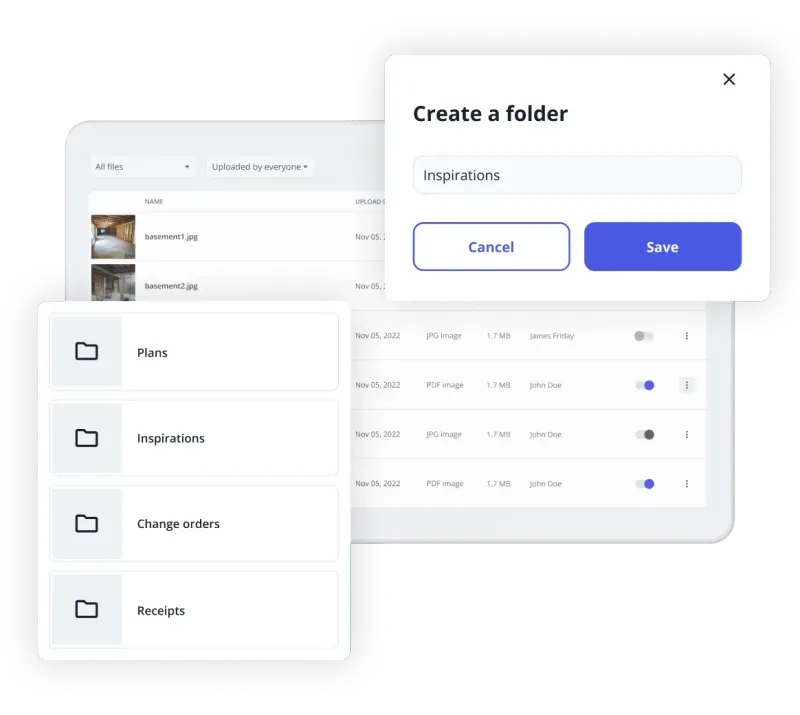
- Credential Vault: Store your ICC exam results and individual municipal licenses (Denver, Aurora, Boulder) in one hub. Set "Renewal Alerts" for each city to ensure you never lose your standing in a high-growth market.
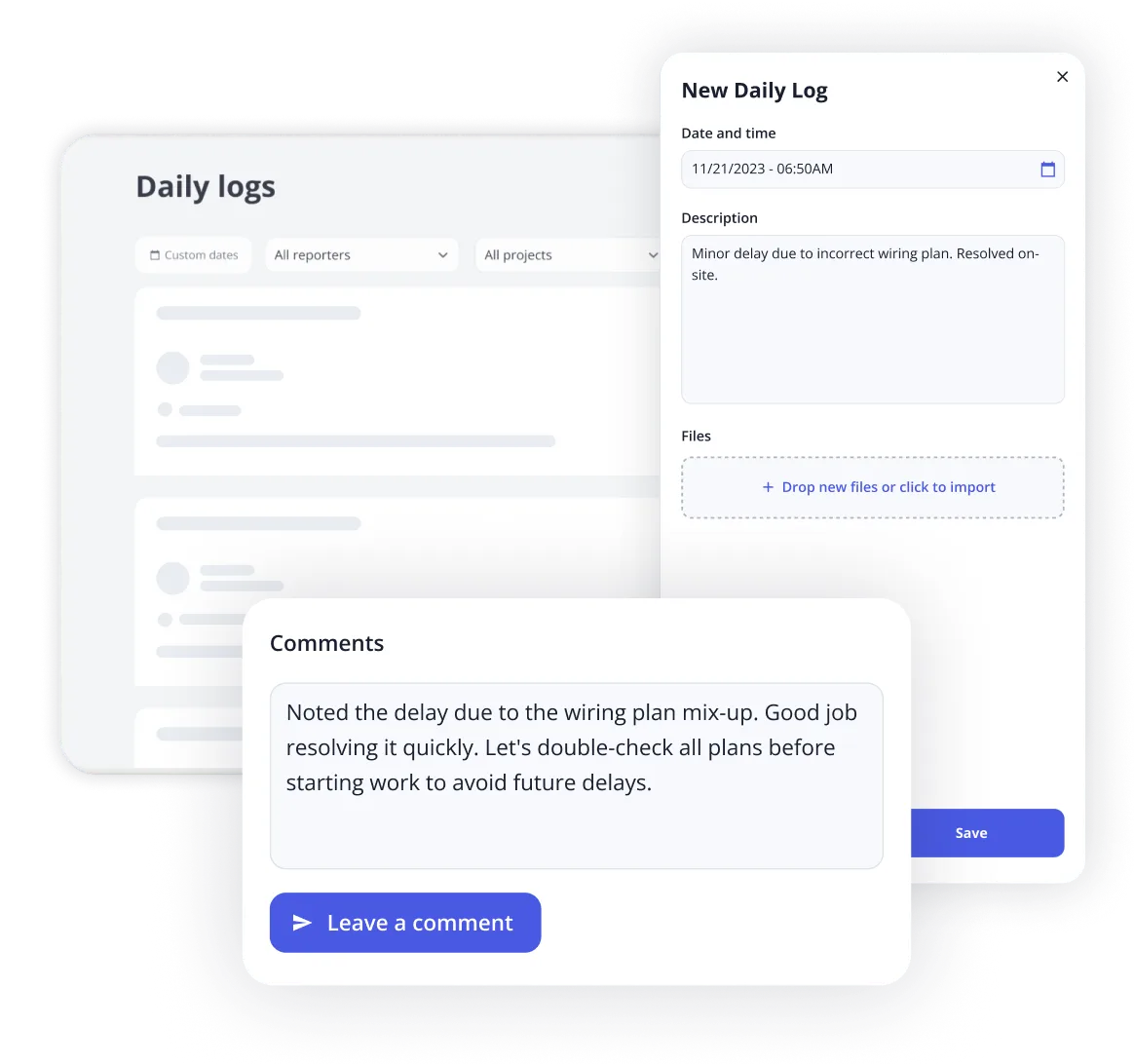
- Supervisory Log Archive: Colorado cities often require 4–6 years of verifiable management experience. Use Daily Logs to document your team's field experience, providing the objective proof needed for local board approvals.
Phase 2: Insurance, Bonding, and Local Compliance
Since there is no state bond, you must satisfy the specific financial requirements of the city where the project is located.
1. Liability and Workers' Comp: The Baseline of Protection
In Colorado’s high-growth commercial market, insurance is not a static cost; it is a "living" requirement that changes with every zip code you enter.
- The "Additional Insured" Trap: It is not enough to have a General Liability policy. Almost every "Home Rule" city (like Denver, Fort Collins, or Aurora) requires a specific endorsement naming the city, its officers, and employees as "Additional Insured." This must be clearly stated on your Certificate of Insurance (COI) or the building department will not release your permit.
- Umbrella and Excess Liability: While $1M/$2M is the standard minimum, many 2026 commercial contracts, especially for "Type I" construction or multi-family builds, now demand Umbrella policies ranging from $5M to $10M to account for rising litigation and reconstruction costs in Colorado.
- Workers’ Compensation (DOWC): Colorado takes a "No-Exceptions" stance. Even if you are a sole proprietor with no employees, many municipalities and GCs will still require you to carry coverage or file a specific "Rejection of Coverage" form (Form WC-43) with the Division of Workers' Compensation to prove you aren't skirting the law.
2. Performance and Payment Bonds: Protecting the Chain
Bonds in Colorado serve as the "financial guarantee" that a project will reach the finish line, even if the contractor does not.
- The Little Miller Act (Public Safety): For any public work (schools, municipal buildings, state roads) over $50,000, Colorado law (C.R.S. § 38-26-105) is non-negotiable. You must provide a bond that is at least equal to the full contract price. This ensures that if you fail to pay your subs or suppliers, they have a claim against the bond rather than the public property.
- Private Project Lending: On private commercial builds, the "Bonding Requirement" is almost always driven by the construction lender. In the 2026 economic climate, lenders are increasingly requiring "Dual Obligee" bonds, which protect both the owner and the bank.
- Subcontractor Default Insurance (SDI): Larger Colorado firms are moving away from traditional bonding for subs and instead using SDI (often called "Subguard"). This allows the GC to manage the risk of sub-tier failure internally rather than relying on a third-party surety.
Phase 3: Colorado’s Prompt Pay Act (C.R.S. § 24-91-103)
Colorado construction law is designed to keep cash moving. For GCs, the most critical hurdle is the statutory payment clock, which dictates when you must be paid and when you must pay others.
1. The Public vs. Private Cycle: Navigating the Statutory Clock
While private contracts offer some flexibility, Colorado statutes provide a rigid framework for public works and a "moral compass" for private ones.
- Public Projects (The 30/7 Rule): Under C.R.S. § 24-91-103, public entities must pay the GC within 30 days of an approved pay app. Once those funds hit your account, the clock starts: you have exactly 7 days to pay your subcontractors and suppliers.
- Private Projects (The Trust Fund Mandate): While the 30/7 rule is the standard "best practice," private work is governed by the Colorado Construction Trust Fund Statute (C.R.S. § 38-22-127). This law states that any money you receive from an owner for a project is held "in trust."
- The "Personal Liability" Trap: Colorado is unique because a violation of the Trust Fund Statute can lead to civil theft charges, which include treble damages (triple the amount owed) and potential criminal penalties. If you use money from "Project A" to pay bills for "Project B," you have technically committed civil theft under Colorado law.
2. The Retainage Cap: Balancing Risk and Liquidity
Retainage, the practice of withholding a portion of payment until "final completion", is strictly regulated in Colorado to prevent GCs and owners from hoarding subcontractor capital.
- The 5% Threshold: For most commercial projects exceeding $150,000, retainage is capped at 5%. This applies to both the owner-to-GC and GC-to-subcontractor levels.
- Release of Retainage: Once a project reaches "substantial completion," the owner is required to pay out the remaining retainage (minus a small amount for punch-list items). In 2026, Colorado courts remain aggressive in ensuring these funds are released promptly to prevent GCs from using retainage as a "float" for other operations.
3. Pay-When-Paid vs. Pay-If-Paid
In Colorado, the legal status of "contingent payment" clauses is nuanced.
- Pay-When-Paid: Generally viewed as a timing mechanism. It means you must pay the sub within a reasonable time, even if the owner hasn't paid you yet.
- Pay-If-Paid: These clauses attempt to shift the risk of owner non-payment entirely to the subcontractor. Colorado courts generally disfavor these unless the contract language is incredibly explicit and clear.
The Billdr Advantage: Financial Transparency
Navigating Colorado’s statutory windows requires a digital paper trail:
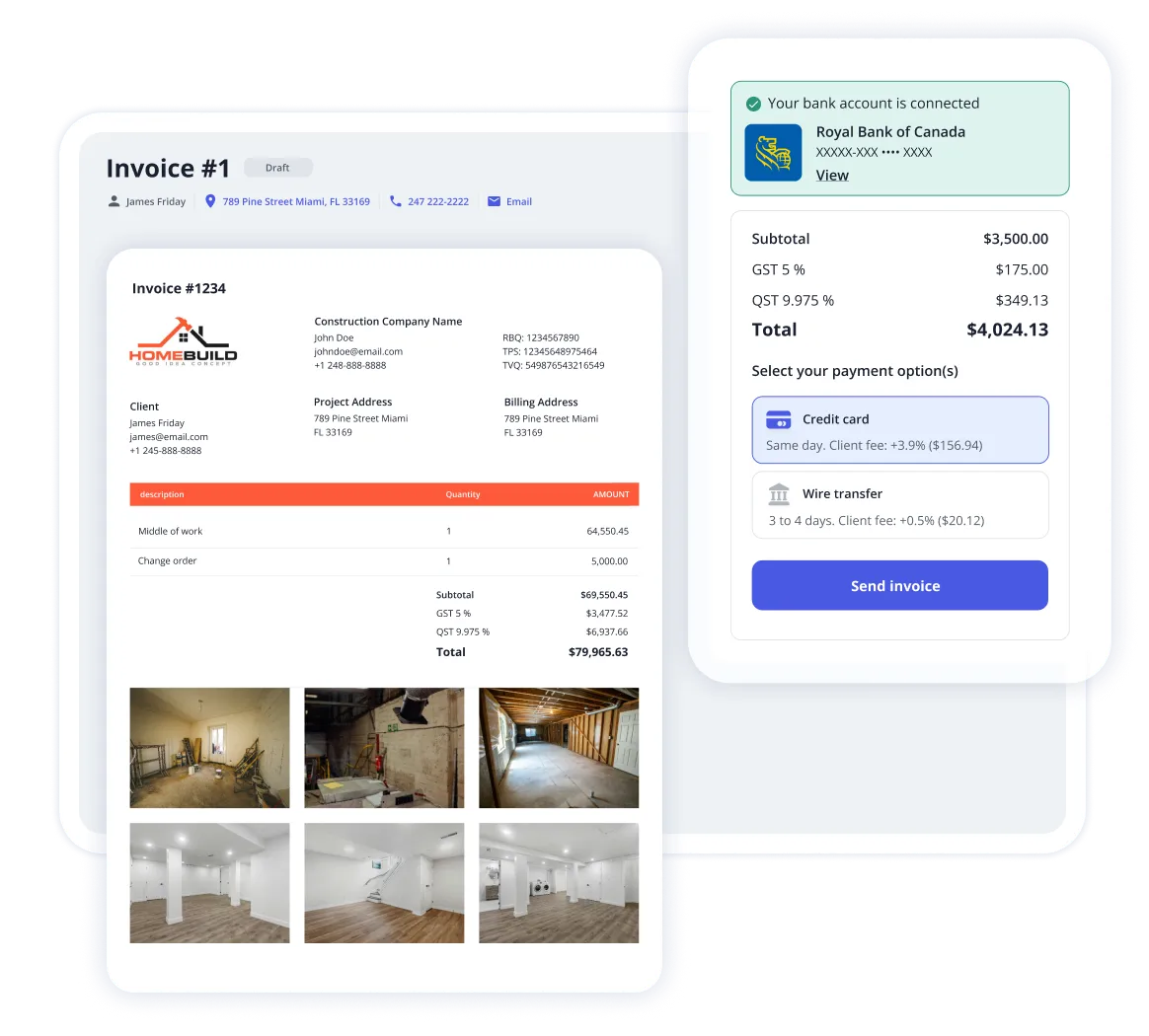
- The 7-Day Sub-Payment Trigger: Once an owner payment is logged in the Payment Dashboard, the system provides visibility into all linked vendor invoices, allowing you to meet the 7-day statutory "trust fund" requirement.
Phase 4: The Notice of Intent (NOI) & Lien Deadlines
Colorado is unique because it requires a "warning shot" before a lien can be recorded.
1. The 10-Day Notice of Intent (NOI): The "Warning Shot"
Unlike many states that allow you to record a lien the moment a payment is missed, C.R.S. § 38-22-109 mandates a cooling-off period. This is designed to give owners one last chance to settle the debt before the legal "nuclear option" is triggered.
- Service Requirements: The NOI must be served on the owner and the principal contractor. In 2026, the standard for "proper service" remains personal service or delivery via Certified Mail, Return Receipt Requested.
- The Waiting Period: You must wait at least 10 full days after service before you can legally record the Lien Statement with the County Clerk and Recorder.
- The "Blind Lien" Defense: For GCs, this notice is actually a benefit. It prevents subcontractors from filing "surprise" liens that could trigger a default on your construction loan. It gives you 10 days to resolve the issue with the sub before the title is impacted.
2. The 4-Month Rule: Perfecting the Lien
Once the 10-day NOI period has passed, the clock moves to the recording phase.
- The Hard Deadline: You must record your Statement of Lien within 4 months of the day you last provided labor or materials.
- The "Warranty Work" Trap: Much like Arizona, Colorado courts generally hold that minor punch-list items or warranty repairs (e.g., swapping a lightbulb or adjusting a door hinge) do not extend this 4-month window. The clock starts from the date of "Substantial Completion" of your contract scope.
- Lien Priority: In Colorado, mechanic's liens "relate back" to the very first day work began on the project. This means a contractor’s lien can sometimes take priority over a bank’s mortgage if the work started before the loan was recorded.
3. The 6-Month Foreclosure: Use It or Lose It
A recorded lien is not permanent. It is effectively a placeholder for a lawsuit.
- The Filing Deadline: Under C.R.S. § 38-22-110, you must file a lawsuit to foreclose on the lien within 6 months after the project is completed or the date you last worked (whichever is later).
- The Lis Pendens: At the time of filing the suit, you must also record a Notice of Lis Pendens with the County Clerk. This publicly signals that there is active litigation regarding the property’s title. If you fail to do this, the lien automatically expires and becomes void.
The Billdr Advantage: Documentation Defense
To defend your lien rights in Colorado:
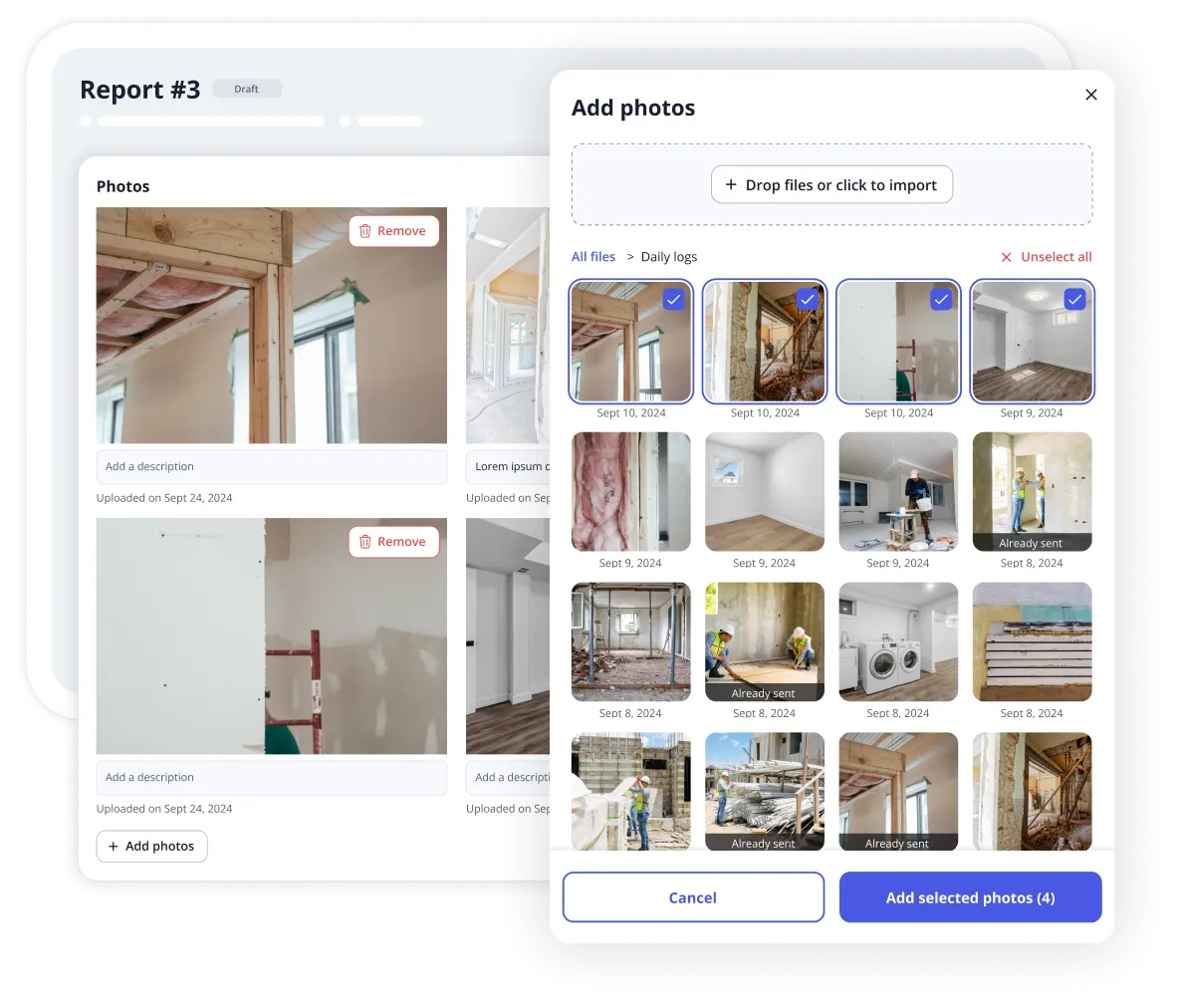
- GPS-Stamped Completion Evidence: Defend your 4-month lien window with unalterable site data. Daily Logs capture GPS-stamped photos on the day you demobilize, creating a digital record of "Last Date of Work."
- The Sub-Tier Notice Hub: Log every NOI received from sub-tier suppliers in the Document Hub. Use Compliance Interlocks to block final payments to subcontractors until all potential sub-tier claims are resolved.
Summary of Colorado Compliance Benchmarks (2026)
FAQ: Colorado General Contractor License
Does Colorado require a general contractor license?
There is no statewide Colorado general contractor license. Licensing is handled locally by cities and counties (Home Rule). Always verify requirements directly with the city or county building department where you plan to work.
What ICC exam do I need for a Class A contractor license in Colorado?
Most Colorado municipalities require the ICC G13 National Standard General Contractor exam for a Class A license, which allows for unlimited commercial construction.
What is the retainage cap in Colorado for commercial projects?
Under Colorado law, retainage for most commercial projects over $150,000 is capped at 5%.
How long do I have to file a mechanic's lien in Colorado?
You must record a mechanic's lien within 4 months of the last date labor or materials were provided, but you must serve a Notice of Intent (NOI) at least 10 days prior to recording.
Building the Future in Colorado
Success in the Colorado commercial market requires mastering the "Home Rule" landscape. With no state authority to lean on, your firm’s administrative speed is your greatest asset. By utilizing the digital oversight of Billdr, you can automate municipal license renewals, track "Trust Fund" payments in real-time, and ensure your lien rights are protected in every jurisdiction, from Denver and Aurora to Colorado Springs and Fort Collins.
Official Colorado Resources
- Colorado Division of Professions and Occupations (DORA): dpo.colorado.gov
Use this portal to verify state-level trade licenses for your electrical and plumbing subcontractors and to access the Division of Workers’ Compensation (DOWC) for insurance compliance. - ICC Exam Information (Contractor Testing): ICC Exam Catalog via Pearson VUE
This is the direct portal for the National Standard General Contractor exams (G11, G12, and G13). Select "Non-Authorized" under the exam catalog to find the Colorado-specific municipal testing requirements. - Colorado Secretary of State (SOS): sos.state.co.us
The essential first stop for business registration, filing Articles of Organization, and obtaining your Certificate of Good Standing, which is required for every municipal license application. - Colorado Municipal League (CML): cml.org
A valuable directory for finding the specific building department websites for all 270+ "Home Rule" cities and towns across the state.
Disclaimer: Requirements current as of May 2026. Licensing in Colorado is governed by local jurisdictions. The User remains solely responsible for ensuring all local municipal codes and statutory requirements are satisfied according to the Colorado Revised Statutes (C.R.S.). While Billdr is designed to facilitate your administrative compliance and operational efficiency, its use does not guarantee legal success, licensure approval, or statutory compliance.