

A Guide to Contractor Registration, Bonding, and State Compliance
Updated April 2026 — Washington utilizes a contractor registration system rather than a traditional licensing model. Managed by the Washington State Department of Labor & Industries (L&I), the state’s regulatory framework is defined by a $30,000 bonding requirement and strict compliance standards. For firms entering the 2026 commercial market, success requires navigating a real-time compliance enforcement system and mastering the state’s unique tax and payment statutes.

Phase 1: State Registration & The "General" Designation
In Washington, the sequence of registration is critical. Your firm must establish its legal and tax identity before the Department of Labor & Industries will process your application.
1. General vs. Specialty Registration
The foundation of your legal authority is your registration type. For commercial work, the "General" designation is standard.
- General Contractor: Authorized to perform or supervise unlimited building trades and manage multi-trade projects involving any number of subcontractors.
- Specialty Contractor: Generally restricted to work within their registered specialty and limited in managing multi-trade projects compared to general contractors.
2. Business Licensing and the UBI
Before registering with L&I, you must form a business entity (LLC or Corporation) with the Washington Secretary of State.
- What is a UBI? The Unified Business Identifier (UBI) is your firm’s unique state-issued business identifier. It links your Secretary of State filing, your tax accounts, and your contractor registration across all agencies.
3. Tax Compliance & Reseller Permits
Washington relies on a Business & Occupation (B&O) tax, a gross-receipts tax on all business activity managed by the Washington Department of Revenue.
- Reseller Permit: Registering with the Department of Revenue may allow you to purchase certain materials without paying retail sales tax, depending on how the project is structured and billed.
- Cost Impact: Proper use of a reseller permit is a major factor in project budgeting, as failure to utilize it correctly may result in additional sales tax costs depending on the purchasing method.
The Billdr PRO Advantage: Phase 1 Infrastructure
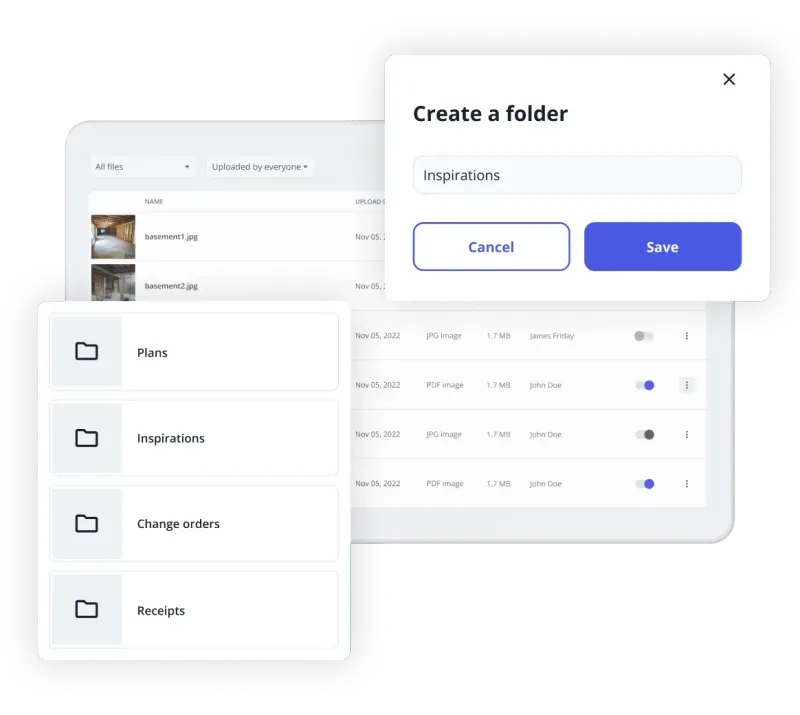
- Strategic Document Sharing: Don't lose your Reseller Permit or UBI Filing Receipt in a sea of emails. Store vital tax documents in the Centralized Vault. When setting up a new account with a steel supplier or concrete vendor, use a Public Share Link to send your tax-exempt paperwork from the mobile app in seconds.
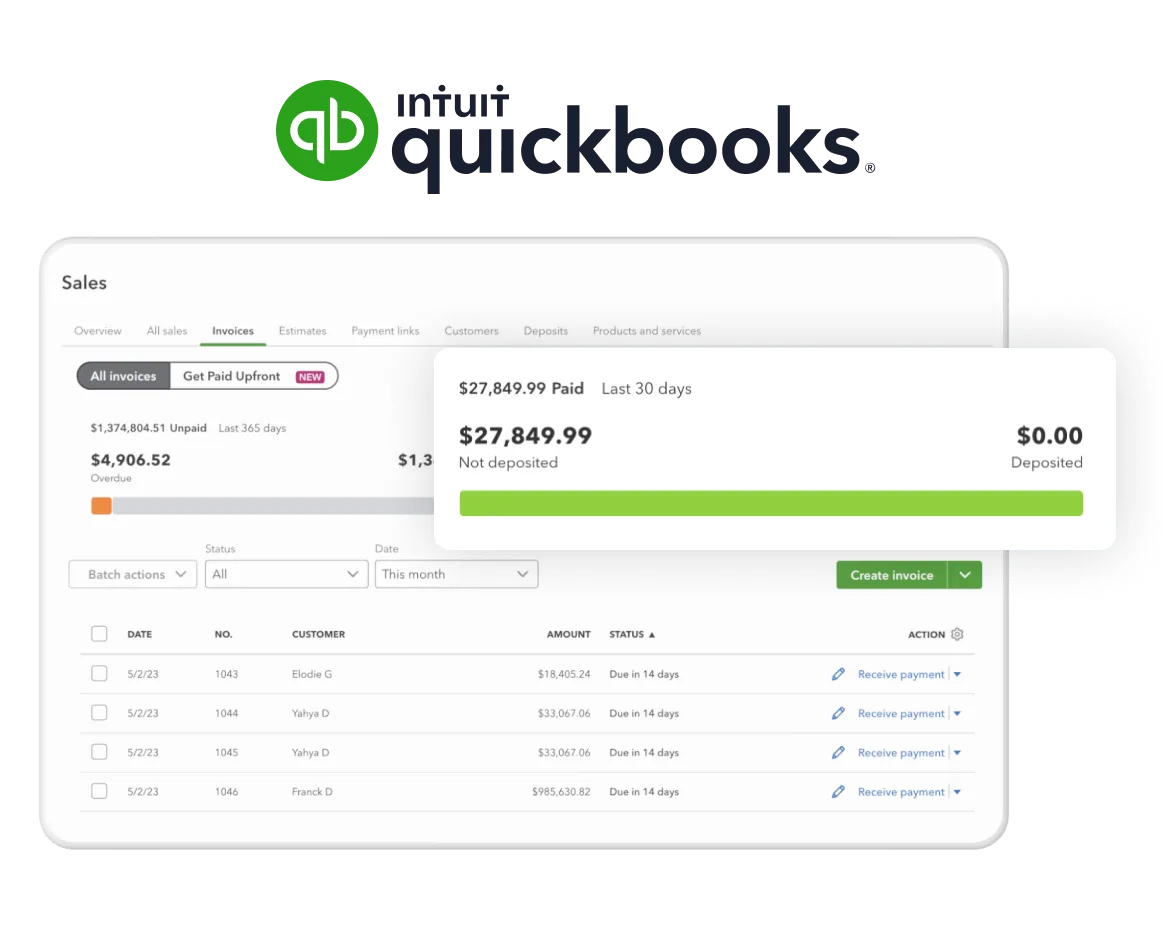
- B&O Tax Readiness: Since Washington B&O tax is based on gross revenue, tracking your "Gross Billed" vs. "Retainage Held" is critical for accurate filing. Use Billdr PRO’s Financials Dashboard to pull monthly or quarterly revenue reports, transforming your B&O tax preparation from an all-day audit into a five-minute task.
Phase 2: Bonding & Insurance Requirements
Washington operates a real-time compliance enforcement system. L&I receives electronic reporting from insurers and bond carriers; any gap in coverage can lead to rapid status changes.
1. The $30,000 General Contractor Bond
Washington requires a $30,000 bond for general contractors under RCW 18.27.
- This bond provides a financial guarantee for the public, employees, and subcontractors.
- It is a prerequisite for registration and must be maintained continuously to keep your status "Active."
2. Insurance and Bond Thresholds
While the state mandates a baseline of $200,000 for public liability and $50,000 for property damage, commercial reality is often different.
- Commercial Limits: Many Tier 1 developers and municipal owners typically require $2,000,000 per occurrence.
- Project Specific Bonds: Performance and Payment bonds are commonly required on public works and many commercial projects, with requirements varying by contract and jurisdiction.
3. Real-Time Compliance Enforcement
Because insurers report electronically, status updates can occur quickly sometimes within hours following a policy lapse. Many commercial project owners regularly verify contractor status using L&I’s public database, and a lapse in coverage may result in removal from the project.
The Billdr PRO Advantage: Zonal Risk Management
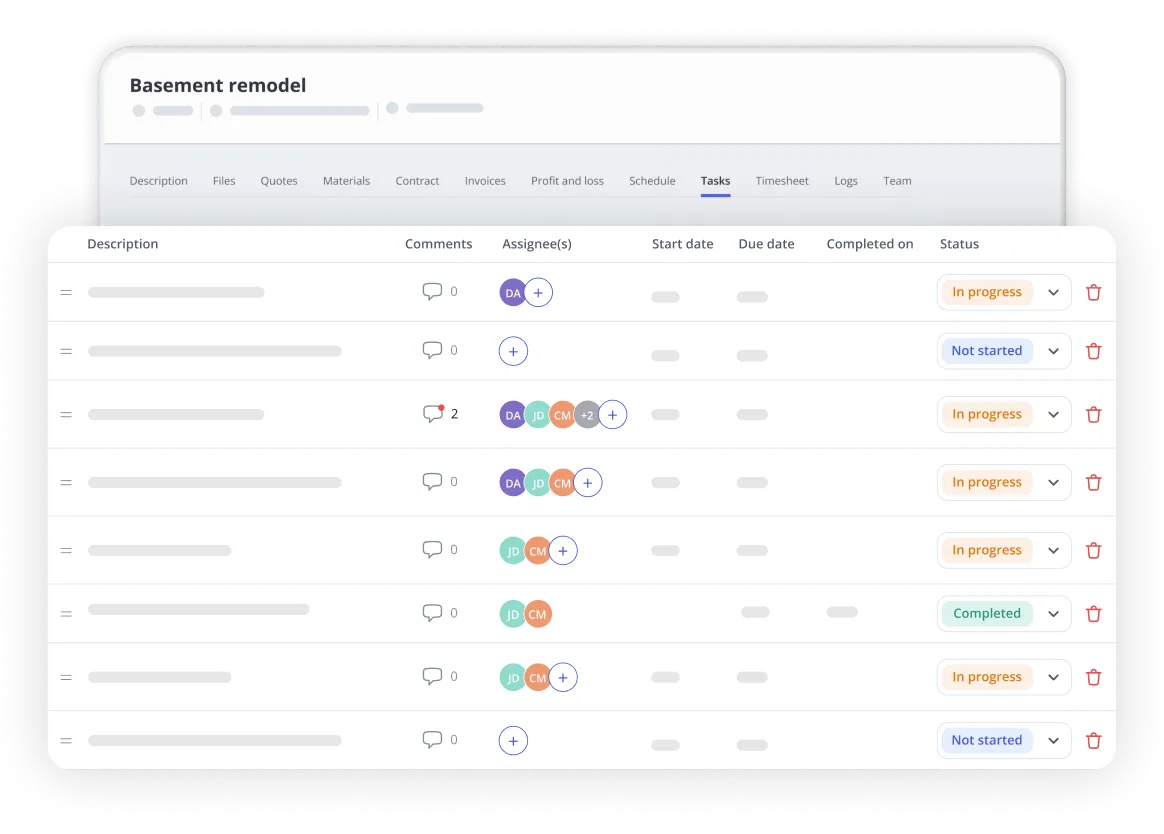
- Strategic Compliance Monitoring: Use Billdr PRO’s Task Management as your internal "early warning system." By linking your firm’s insurance and bond expiration dates to a recurring task schedule, the platform sends Hard Alerts to your phone at 60, 30, and 7-day intervals. This ensures your registration never faces an accidental L&I suspension due to a missed renewal window.
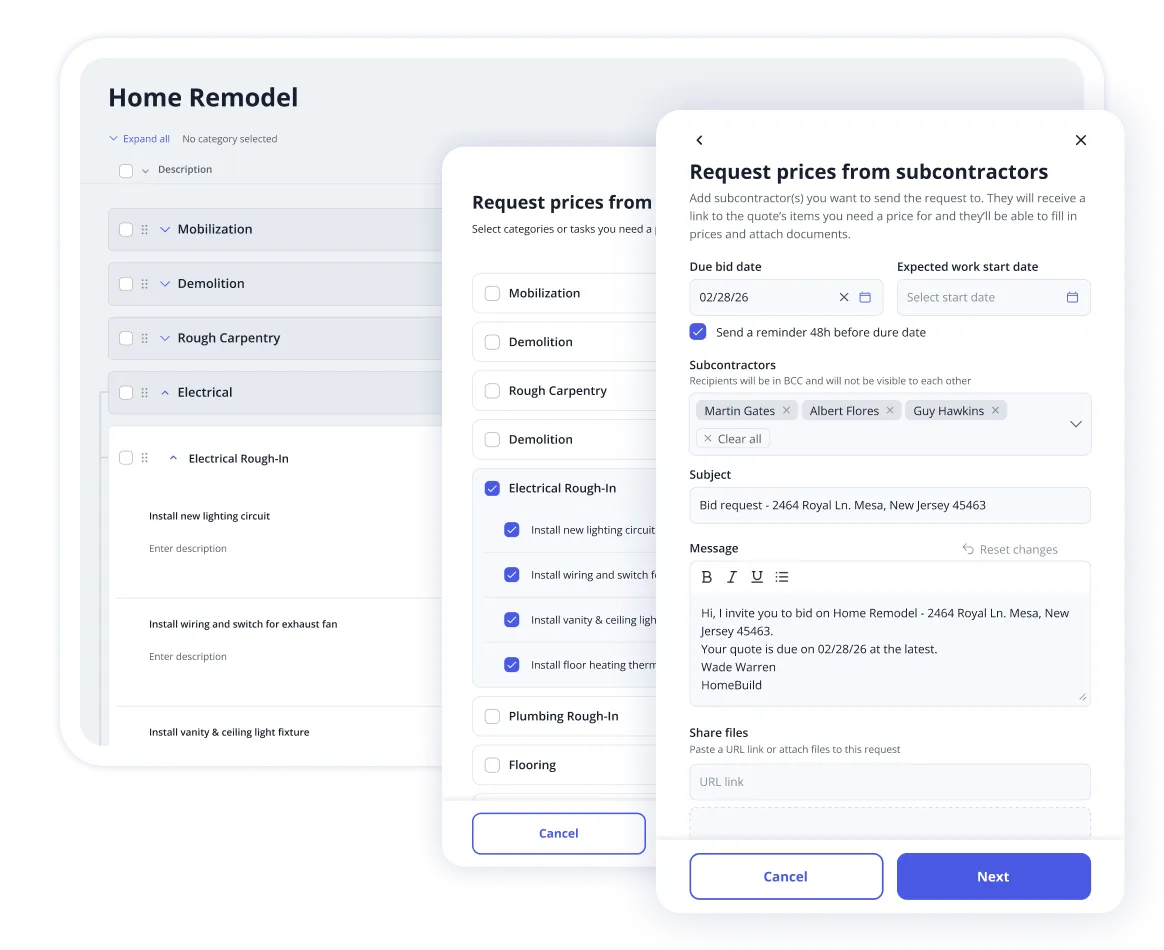
- Subcontractor Compliance Gatekeeping: In Washington, if a sub’s insurance lapses and an injury occurs, liability can "leapfrog" to the GC. Billdr PRO’s Bid Request Hub allows you to mandate that subcontractors upload their COIs and bonds during the tender phase, ensuring only fully compliant partners are assigned to your projects.
Phase 3: Financial Framework & Prompt Payment
Washington’s payment statutes are designed to facilitate cash flow, particularly on public projects where timelines are strictly enforced.
1. Prompt Pay Under RCW 39.76
Washington utilizes a strict statutory payment framework under RCW 39.76 for public works.
- Public Works: Once a proper invoice is received and approved, payment is typically due within 30 days. Late payments may accrue interest at 1% per month.
- Private Work: While private project timelines are primarily governed by contract terms, RCW 60.04.114 allows contractors to suspend work for non-payment under specific conditions. In the 2026 market, a formal notice of intent to suspend is a key enforcement tool.
2. Retainage and Working Capital
Retainage, the withholding of a portion of progress payments, is commonly capped at 5%, particularly on public works.
- Retainage Bonds: Subject to owner approval and project requirements, contractors may use a retainage bond in lieu of cash withholdings. This is one way to keep working capital liquid during the project lifecycle.
The Billdr PRO Advantage: Financial Transparency
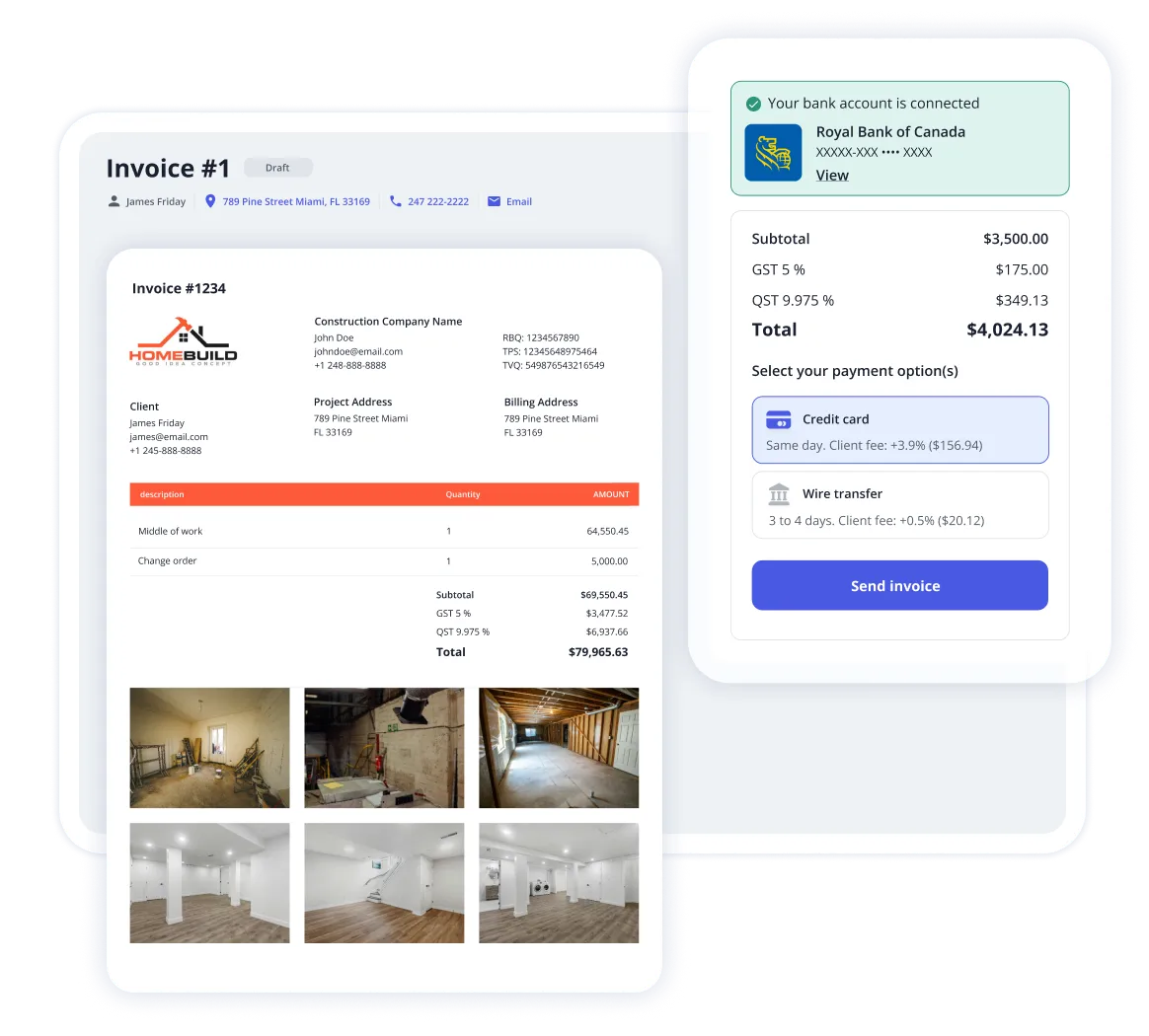
- The "Proper Invoice" Template: Under Washington's statutory framework, payment protections often only apply to "proper" invoices. Billdr PRO allows you to save your UBI number and L&I registration status directly into your Invoice Templates, ensuring your pay applications are itemized and legally compliant every time.
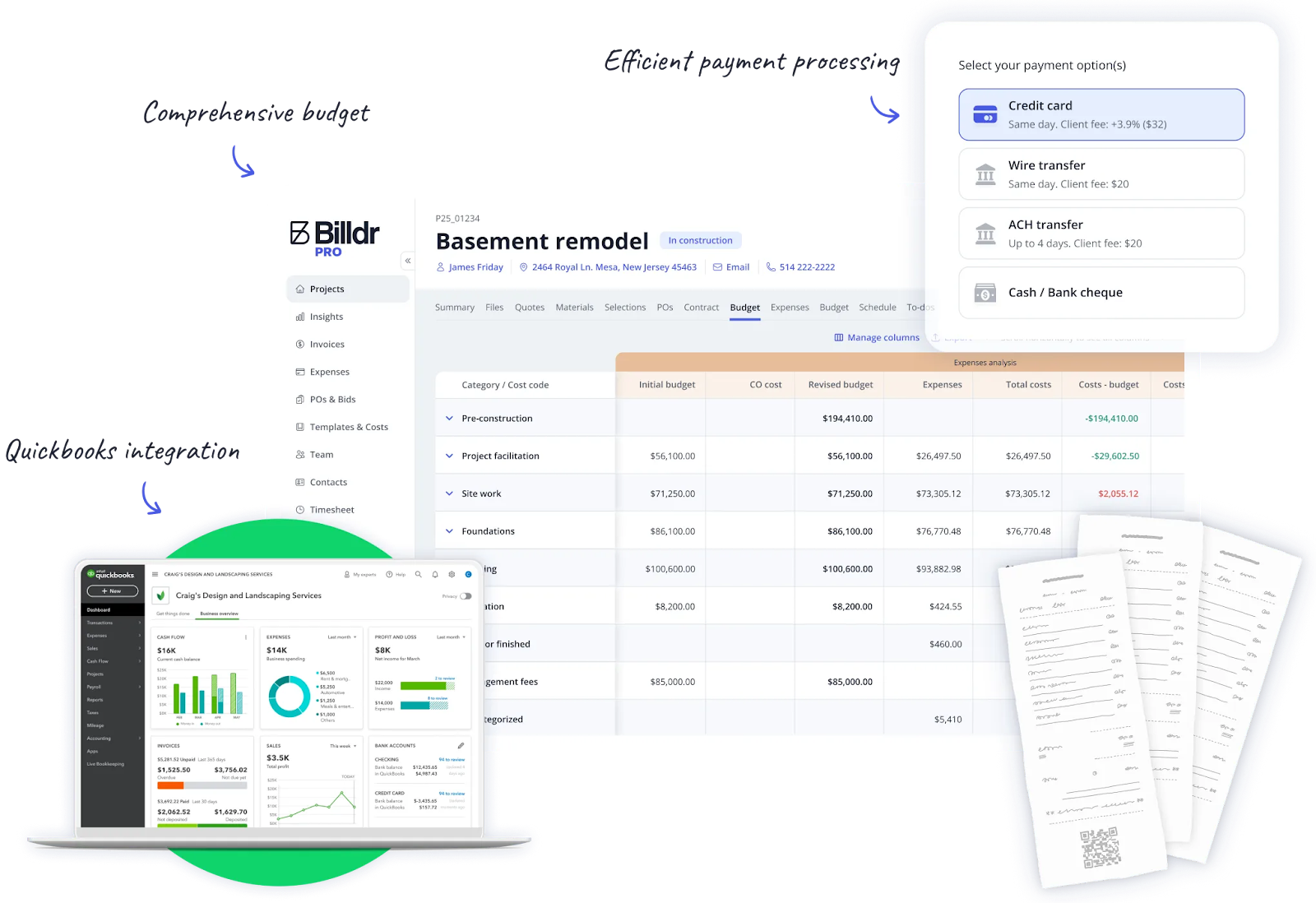
- Subcontractor Flow-Through Management: Washington law requires GCs to pay subcontractors within 10 days of receiving payment from the owner. Billdr PRO’s Payment Dashboard alerts you the moment an owner’s payment is recorded, making it easier to track and execute sub-tier payments within the mandatory 10-day window.
Phase 4: Operational Safety & Close-Out
Washington is one of the few states that operates its own OSHA-approved state plan, known as WISHA (Washington Industrial Safety and Health Act).
1. WISHA and DOSH Oversight
The Division of Occupational Safety and Health (DOSH) conducts unannounced inspections.
- Penalties: Violations can result in significant penalties, which can reach tens of thousands of dollars depending on the severity of the violation.
- Workers' Comp: Industrial insurance rates are adjusted periodically by L&I; maintaining a clean safety record is a major factor in maintaining competitive labor costs.
2. Mechanic’s Liens (RCW 60.04)
The window to file a lien in Washington is 90 days from the last day of labor or materials provided.
- Timeline Rigor: If these deadlines are missed, your claim is typically unenforceable.
- Notice Requirements: Subcontractors and suppliers must often provide a "Notice to Owner" to preserve their rights; GCs must track these notices to manage the risk of double payment.
The Billdr PRO Advantage: Site-Safety & Close-Out
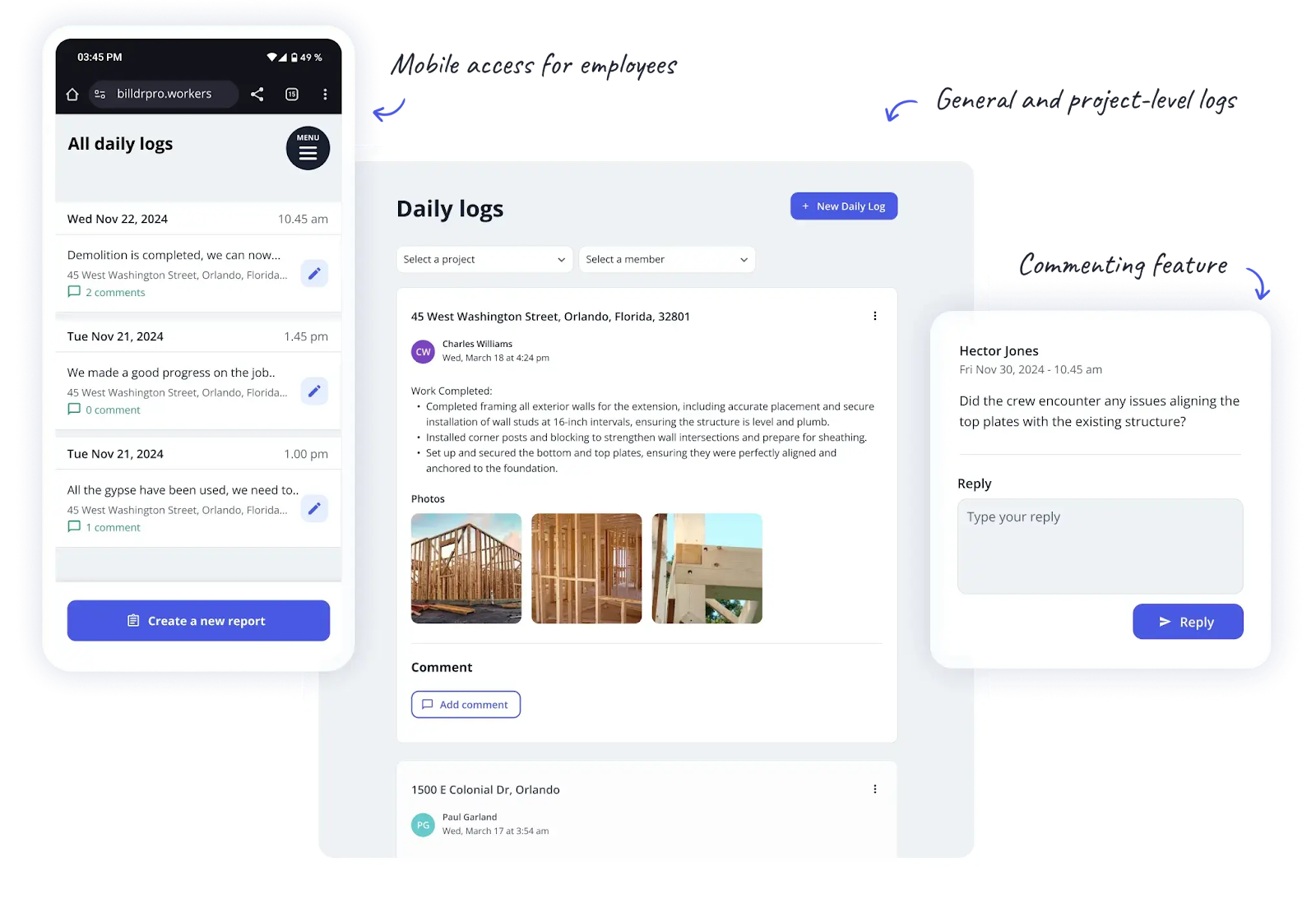
- Metadata-Backed Site Records: To support your 90-day lien window, you must be able to verify the date of substantial completion. Use Billdr PRO’s Daily Logs to document your final walkthrough with GPS-tagged, time-stamped photos. This provides a verifiable audit trail of your final day on-site should your lien window ever be disputed.
- Digital Punch-List for Retainage Release: Final retainage release often hinges on the completion of minor punch-list items. Billdr PRO’s Task Management allows you to assign these tasks to specific subcontractors and require Photos of Completion. Once documented, you can present a verified close-out report to the owner, facilitating the statutory 60-day window for the release of your final 5% payment.
2026 Washington GC Startup Costs (Approximate)
Building the Future
In 2026, the Washington commercial landscape belongs to the contractors who treat compliance as a foundation for professional growth. The $30,000 bonding requirement, combined with more stringent WISHA safety expectations, has raised the bar for entry, favoring firms that prioritize financial transparency and site-wide accountability. By integrating the state’s rigorous registration standards with the digital precision of Billdr PRO, you transform potential regulatory friction into a streamlined operational engine. Whether you are navigating the complexities of RCW 39.76 prompt payment timelines or managing 5% retainage with a bond, your success is built on the strength of your documentation. In a state defined by innovation, the most resilient firms are those that ensure their documentation is as reliable as their craftsmanship.
Official Washington Resources
1. L&I Verify a Contractor Tool
Primary Portal: https://secure.lni.wa.gov/verify/ This is the single most important URL for a Washington GC. It is a live, public-facing database of your firm’s legal standing.
- The "Continuous Tracking" Request: As a GC, you can "track" your subcontractors here. If a sub’s insurance or registration expires, L&I will send you an automated notification letter. This is your primary defense against "leapfrog liability."
- Industrial Insurance (Workers' Comp) Status: This tool shows if a business is "current" on their workers' comp premiums. If you hire a sub who is behind on payments, L&I can hold you liable for their unpaid premiums.
- History of Infractions: It lists safety citations and lawsuits against a contractor's bond, making it an essential pre-vetting tool for commercial partners.
2. Washington Department of Revenue (DOR)
Primary Portal: https://dor.wa.gov/ The DOR manages your fiscal authority. In 2026, you will use this portal for two core operational needs:
- The Reseller Permit: Once registered, you must apply for a Reseller Permit (valid for 2 years for contractors). This allows you to purchase raw materials for a project without paying retail sales tax. A move that preserves roughly 8–10% of your project budget.
- B&O Tax Filing: Washington’s Business & Occupation tax is a gross-receipts tax. You will use this portal to file your monthly or quarterly returns. In 2026, the retailing/wholesaling rates for construction are approximately 0.471% – 0.484%.
3. Washington Secretary of State (SOS)
Primary Portal: https://www.sos.wa.gov/corps/ The SOS is where your legal entity (LLC or Corporation) is born and maintained.
- The "Active" Status Check: You must file an Annual Report here to keep your entity in "Good Standing." If your SOS status slips to "Delinquent," L&I will eventually move to suspend your contractor registration.
- UBI Generation: When you form your entity here, the system generates your Unified Business Identifier (UBI), which serves as your universal ID for all other state agencies.
4. L&I Registration Hub
Primary Portal: https://lni.wa.gov/licensing-permits/contractors/ This is the administrative gateway for your actual contractor registration.
- The $30,000 Bond Submission: This hub provides the specific instructions for your surety agent to file your mandatory $30,000 General Contractor Bond.
- Industrial Insurance Rates: For 2026, L&I has adjusted workers' comp premium rates (averaging a 4.9% increase). You use this hub to find your specific "Risk Class" and hourly rates for your crew.
Important Platform Disclaimer
The information provided in this guide is for educational purposes only and does not constitute legal, financial, or licensing advice. Using Billdr PRO does not guarantee the issuance or maintenance of a Washington State contractor registration. Licensing and registration remain subject to the approval of the Washington Department of Labor & Industries (L&I). Billdr PRO is a project management tool designed to facilitate administrative organization; the user remains solely responsible for ensuring all legal deadlines and statutory requirements are satisfied according to Washington state laws (RCW).


