
How to Become a Professional Home Builder in Nova Scotia: 2026-2027 Requirements & Registration Guide
In Nova Scotia, "becoming a builder" is a transition from general contracting to professional residential development. While the province does not issue a standalone mandatory license, your status is legally defined by your ability to secure Atlantic Home Warranty (AHW) coverage and your mastery of the Nova Scotia Building Code. As of 2026, this means navigating the rigorous NBC 2020 Tier 2 energy standards, which serve as the new baseline for municipal approvals.
This guide outlines the four strategic phases to market entry: Technical Competency (Tiered Code Mastery), Business Infrastructure, Warranty Underwriting, and Project-Specific Permitting.

Phase 1: Industry Training & Technical Competency (The Resilient Builder)
Nova Scotia’s coastal geography demands specific technical expertise to handle extreme humidity, salt spray, and high-wind events. In 2026, "competency" is no longer just about framing. It’s about the integration of advanced energy systems and building envelope integrity.
1. Mastering the Tiered Building Code (NBC 2020)
Nova Scotia adopted Tier 1 effective April 1, 2025, with Tier 2 NBC provisions effective April 1, 2026, and Tier 2 energy efficiency following April 1, 2027.
This is a major shift:
- The Performance Path: Under the upcoming Tier 2 energy standards (effective April 1, 2027), builders will need to demonstrate approximately 25% improvement in total energy consumption compared to the Tier 1 baseline (effective since April 1, 2025), with variations depending on climate zone, building type, and chosen compliance path.
- Section 9.36 Mastery: You must understand the nuances of the "prescriptive" vs. "performance" paths. Most successful GCs in 2026 choose the performance path, using energy modeling to trade off insulation levels against high-efficiency HVAC systems.
- Airtightness Testing: Mandatory blower door testing is now the industry standard for verifying code compliance before occupancy.
2. CHBA Training: The "Net-Zero" Gold Standard
The Canadian Home Builders’ Association (CHBA) - Nova Scotia provides the professional certifications that lenders and Atlantic Home Warranty underwriters look for.
- Net-Zero Builder Training: This isn't just a course; it's a prerequisite for the Certified Residential Builder (CRB) designation. You must achieve a minimum score of 75% on the exam.
- Building Science Prerequisite: Before taking the Net-Zero course, you must complete an approved Building Science course. This ensures you understand the "House as a System" concept and how insulation, ventilation, and moisture management interact.
3. NSBOA Workshops & Field Compliance
The Nova Scotia Building Officials Association (NSBOA) is the bridge between the code book and the job site.
- Interpretation Workshops: NSBOA offers specific modules for HRM (Halifax) and CBRM (Cape Breton) that explain how local inspectors interpret new Tier 2 requirements.
- Critical 2026 Modules: Look for their "Section 9.36 Compliance" and "HVAC for Part 9" courses. Understanding the inspector's checklist before they arrive is the best way to avoid costly "stop-work" orders.
Strategic Value: Using Billdr for Phase 1
Technical competency is only valuable if you can prove it to stakeholders. Billdr transforms your on-site actions into a professional asset.
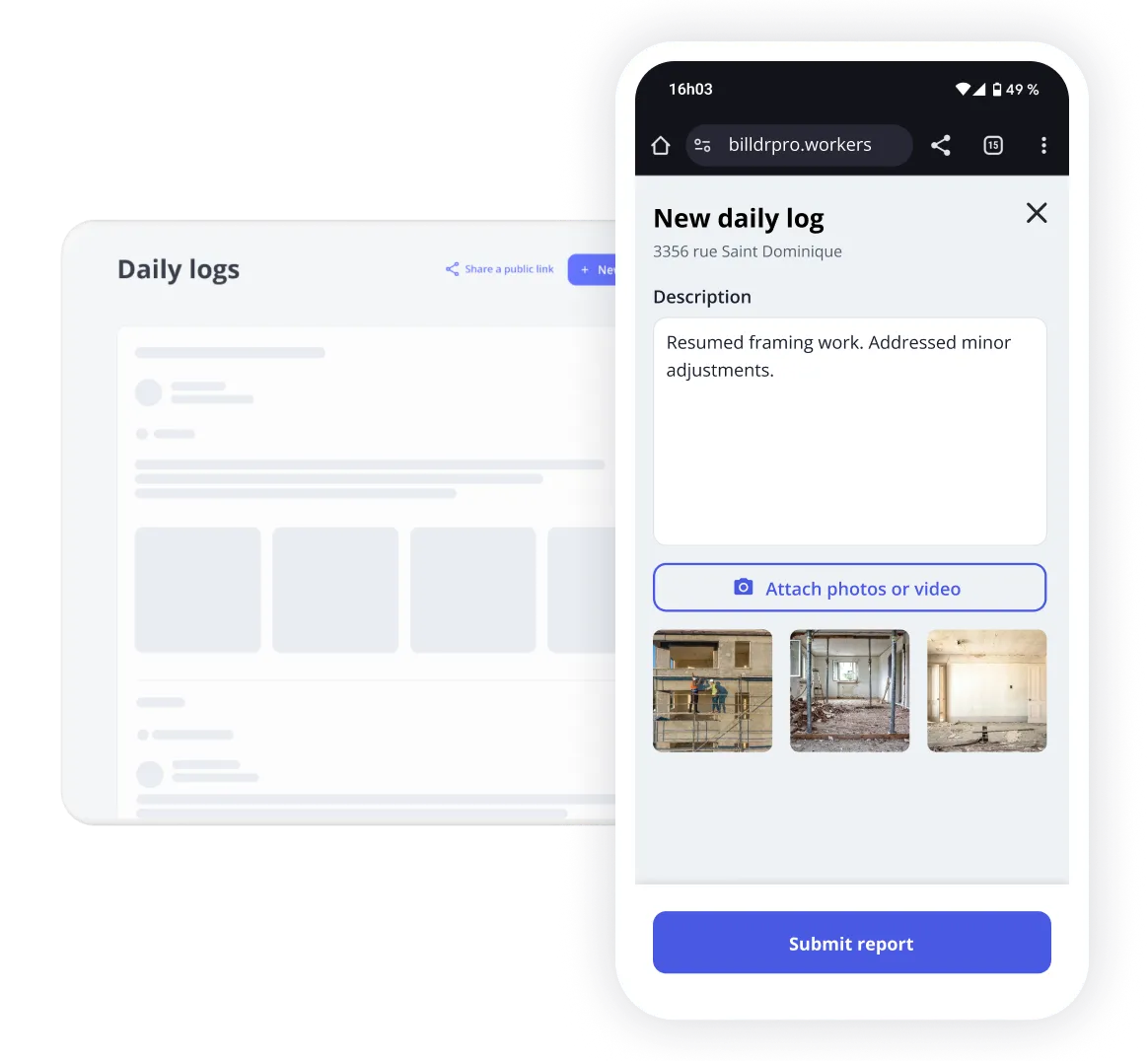
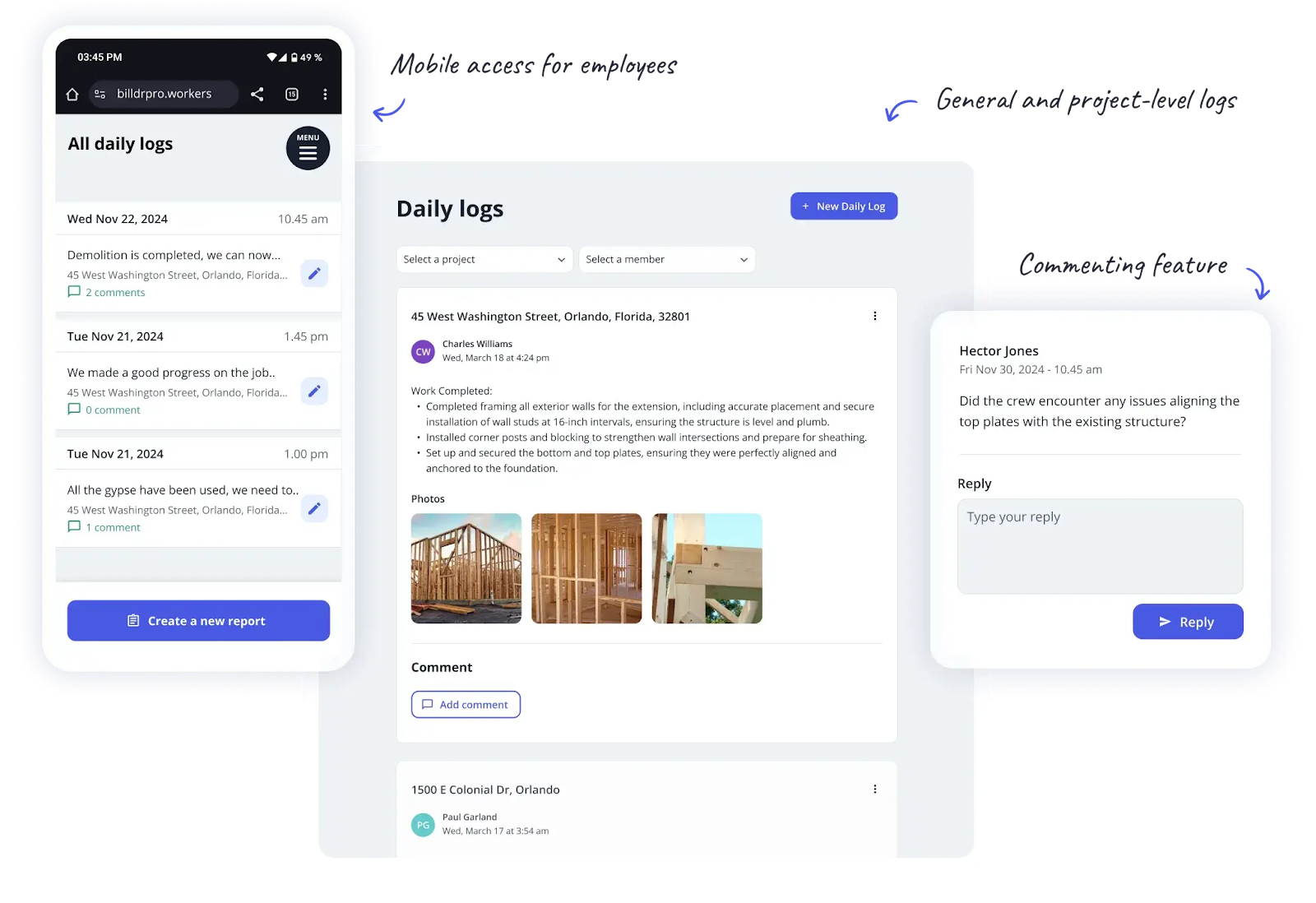
- Digital Building Science Log: When installing critical components like smart vapor retarders or continuous exterior insulation, use Billdr's Daily Logs to take high-resolution photos of the assembly before it’s covered by drywall.
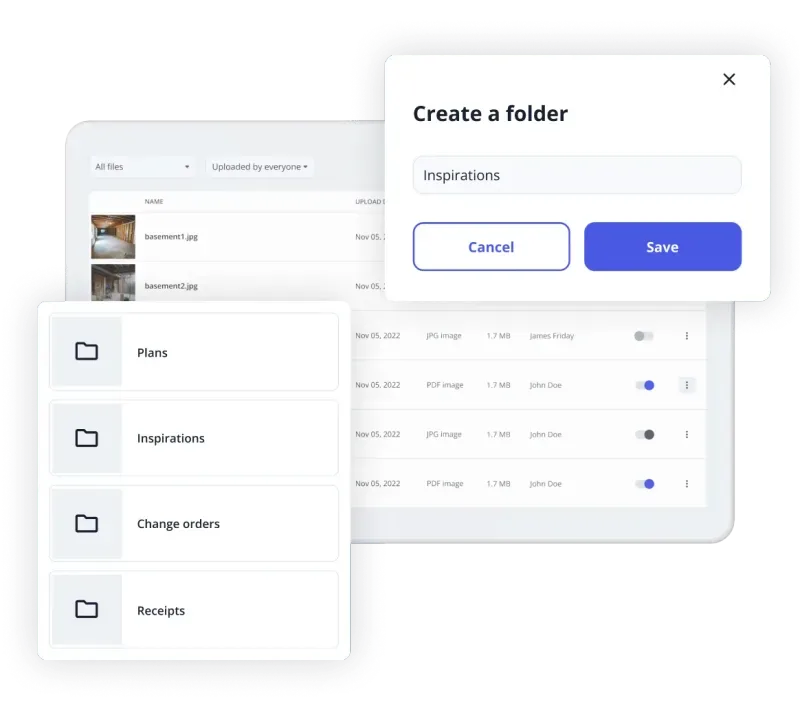
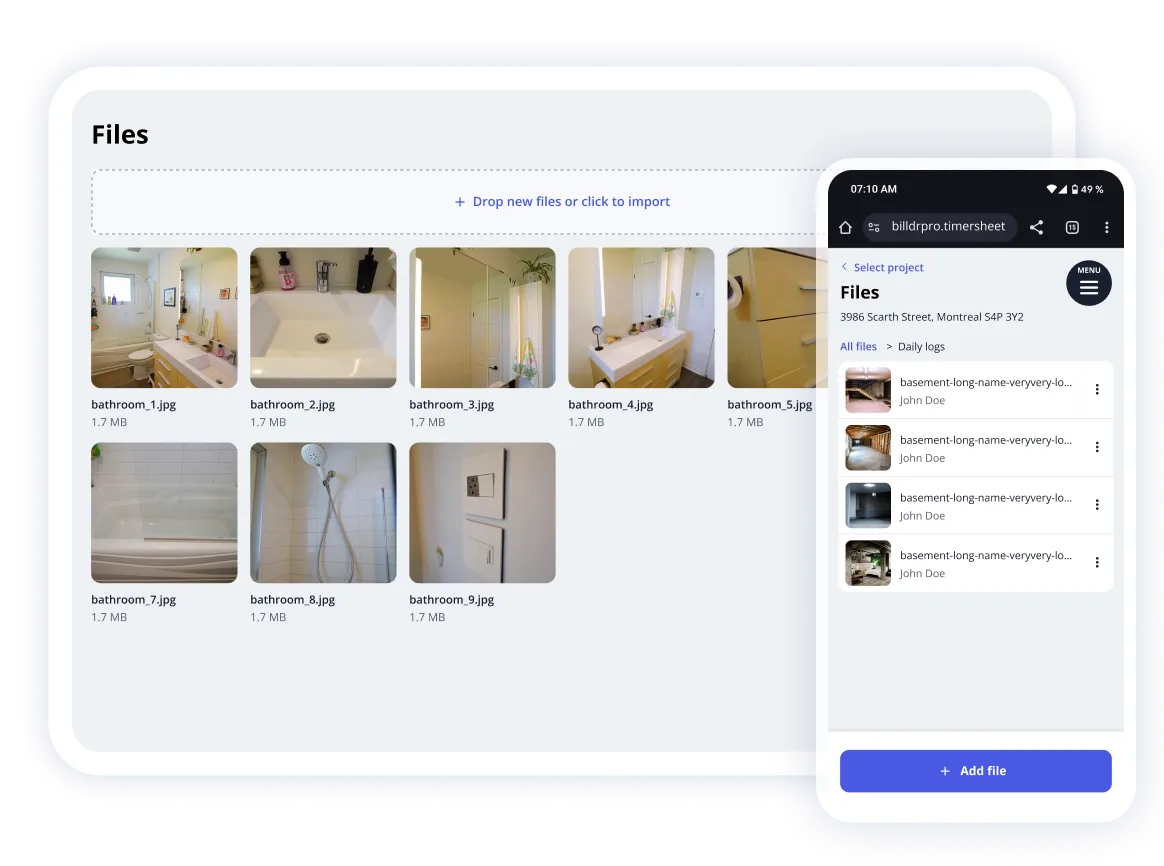
- Proof of Tier 2 Compliance: In 2026, building officials often require more documentation for the energy performance path. Use the Document Hub to store energy modeling reports and air-tightness test results, making them instantly accessible during site visits.
2026 Phase 1 Cost & Timeline Recap
- NBC 2020 & 9.36 Training: $800 – $1,200 via NSBOA/RRC.
- CHBA Net-Zero Certification: $1,500 – $2,000 (including prerequisites).
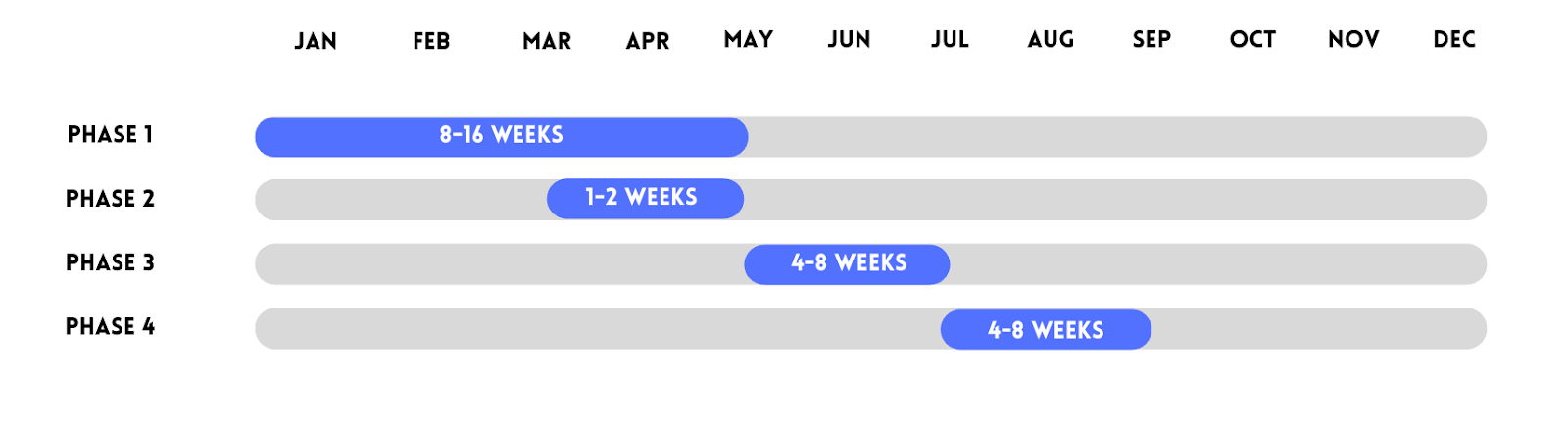
- Time Commitment: 4–8 months to complete the foundational courses and pass the Net-Zero exam.
Phase 2: Business Registration & Industry Standing (The Legal Foundation)
Moving into professional home building requires more than just technical skill; it requires a corporate identity. In 2026, lenders and warranty providers in the Atlantic region perform rigorous due diligence on your "business health" before approving project financing.
1. Registry of Joint Stocks (RJSC) Compliance
Registration with the Nova Scotia Registry of Joint Stock Companies is your first legal requirement. This process grants you the Certificate of Registration and a unique Business Number (BN).
- Name Reservation: You must first reserve a business name. In the construction sector, names that imply expertise (e.g., "Build," "Structural," "Performance") are popular but must not conflict with existing firms.
- Structure Selection: Most GCs in 2026 choose Incorporation over sole proprietorship to limit personal liability. Incorporation fees in Nova Scotia typically start around $336.24, while a simple business name registration for a sole proprietorship is approximately $39.54.
- Recognized Agent: Every registered business must appoint a "Recognized Agent", a person residing in Nova Scotia who is authorized to receive legal documents on behalf of the company.
2. Mandatory Workers’ Compensation (WCB) Registration
If you have even one employee, including yourself if you are an active director, you must register with WCB Nova Scotia within 10 days of starting operations.
- Mandatory Industry: Residential building construction is classified as a "mandatory industry." You cannot pull a building permit in HRM or other municipalities without providing a WCB Clearance Letter.
- Subcontractor Liability: In 2026, GCs are held responsible for the WCB coverage of their subcontractors. If your framer isn't covered, the WCB may hold you liable for their premiums or injury costs.
- New 2026 Regulations: Effective January 1, 2026, Nova Scotia has updated the Workers’ Compensation Act, requiring employers to report injuries within two days (down from five) and modernizing survivor benefit definitions.
3. CHBA - Nova Scotia: The Professional Badge
While not a government requirement, membership in the Canadian Home Builders’ Association (CHBA) - Nova Scotia is what separates professional builders from "underground" operators.
- The Code of Ethics: Members must adhere to a national code that mandates fair dealings with consumers and compliance with all building standards.
- Supplier Advantages: CHBA members often receive "National Advantages" discounts with major suppliers (like Dell or Federated Insurance), which can offset the annual membership cost of $1,000 – $1,800.
- The Advocacy Voice: CHBA represents you at the municipal level, fighting for faster permitting times and sensible development taxes.
Strategic Value: Using Billdr for Phase 2
Business registration is only the beginning; maintaining your standing is where the real work happens. Billdr ensures your business operations remain transparent and compliant.
- WCB Clearance Hub: Store your active WCB Clearance Letter and those of all your subs in the Billdr Document Hub. When a municipal inspector or a lender asks for proof of coverage, you can pull it up instantly on your phone.
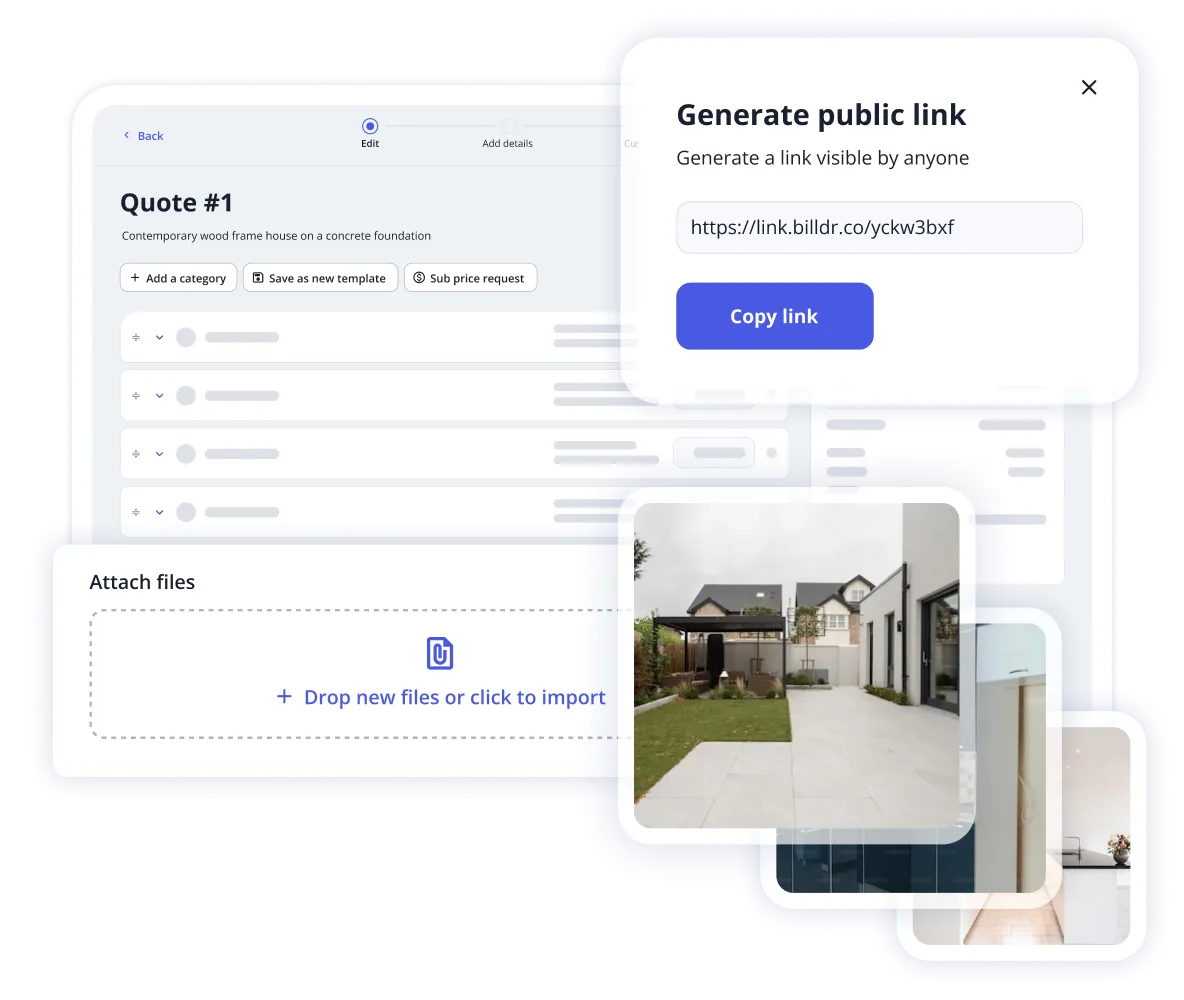
- Automated Audit Trails: Nova Scotia's new 2026 reporting timelines (2-day injury reporting) require tight on-site management. Use Daily Logs to track safety meetings and site conditions. If an incident occurs, you have a time-stamped record ready for WCB reporting.
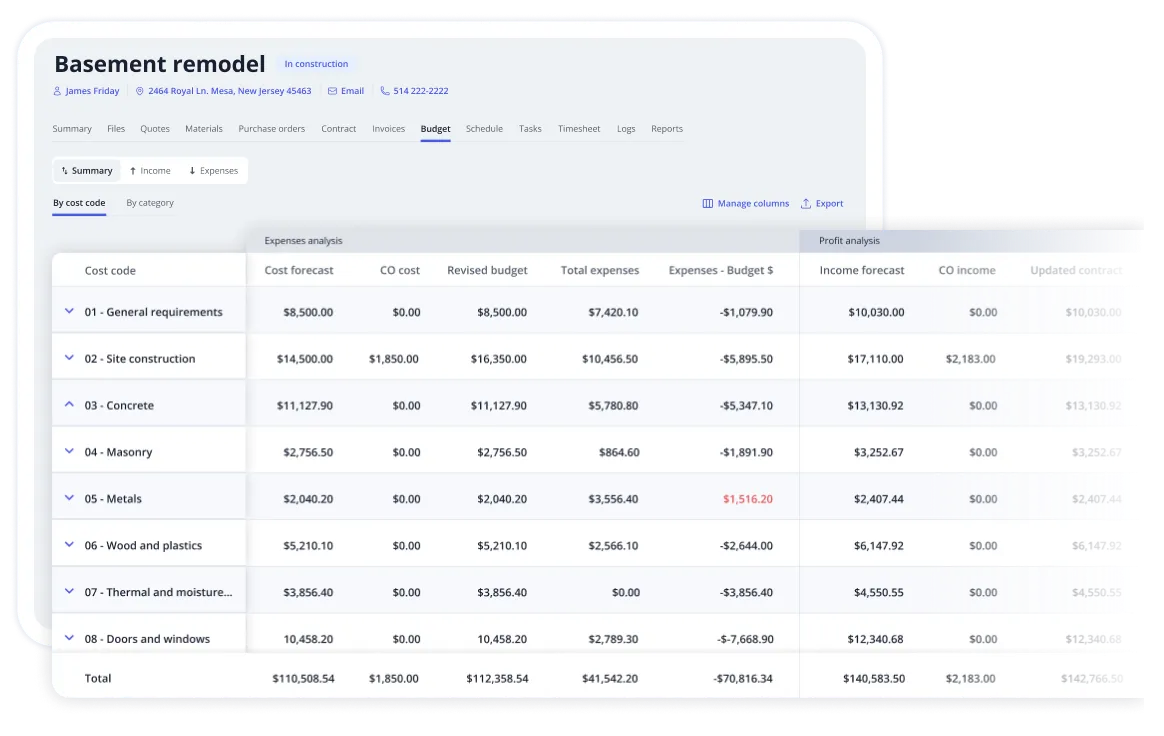
- Professional Reporting for Lenders: Use Financial Reports to show lenders that your business is a "Professional Entity." Being able to show a categorized budget and expense history proves the "financial discipline" that CHBA and lenders expect from a registered builder.
2026 Phase 2 Cost & Timeline Recap
- RJSC Registration/Incorporation: $40 – $400 (depending on structure).
- CHBA-NS Membership: $1,000 – $1,800 (annually).
- WCB Premiums: Based on your specific payroll and experience rating.
- Timeline: 1–2 weeks for Joint Stocks; 10 days for WCB activation.
Phase 3: Atlantic Home Warranty Enrollment (The Financial Gatekeeper)
In the Atlantic region, "Professional Builder" is a title earned through a rigorous underwriting process. AHW acts as a secondary regulator, vetting your technical ability, your character, and, most critically, your financial stability.
1. The 1-2-7 Warranty Model
Nova Scotia follows the Atlantic standard for consumer protection. This tiered model ensures that homeowners are covered for everything from minor "settling" issues to catastrophic failures.
- 1 Year (Workmanship & Materials): Covers defects in the way the home was built or the materials used (e.g., faulty flooring, trim work, or paint).
- 2 Years (Water Penetration & Delivery Systems): Protects against leaks in the building envelope and failures in "behind-the-wall" systems like plumbing, electrical, and HVAC.
- 7 Years (Major Structural Defects): The "Safety Net" for the home’s skeleton covering foundation failure, roof trusses, and load-bearing walls.
2. Underwriting: The "Financial & Character" Audit
To join the AHW program in 2026, you must pass a multi-point audit. AHW wants to know that if a $50,000 structural claim arises in Year 6, your company will be there to fix it or they will have the funds to cover it.
- The Application Fee: Expect an initial registration fee (approximately $805.00 including HST).
- Verification Requirements: You must provide three customer references, trade references from major suppliers, a letter of good standing from WCB, and proof of $2,000,000 in liability insurance.
- Personal Guarantees: Principals of the company are typically required to provide a personal guarantee, linking their personal net worth to the company's performance.
3. Bonding and Security Deposits
For new builders or those with a limited track record, AHW requires a "Performance Bond" to mitigate risk.
- Security Deposit/Letter of Credit: New entrants should budget for a deposit ranging from $10,000 to $40,000. These funds are held by AHW (or secured via your bank) as a safeguard.
- Earned Release: As you complete successful builds with zero claims, you can request a reduction in this bond over time, freeing up your capital for future projects.
Strategic Value: Using Billdr for Phase 3
The AHW enrollment process is notoriously paperwork-heavy. Most delays happen because a builder can't find a specific soil report or proof of a structural inspection from a year ago.
- Building the "Project Bible": Use Billdr's Document Hub to centralize every technical document required by AHW: engineering stamps, truss designs, and site-specific soil tests. When the AHW inspector or underwriter asks for proof of "Technical Ability," you can share a professional, branded folder in one click.
- Financial Transparency: During the underwriting audit, AHW looks for "Financial Discipline." By using Billdr's Budget vs. Actuals and Invoice Tracking, you demonstrate that you are not "robbing Peter to pay Paul." Clear financial records can lead to faster approval and, in some cases, more favorable bonding terms.
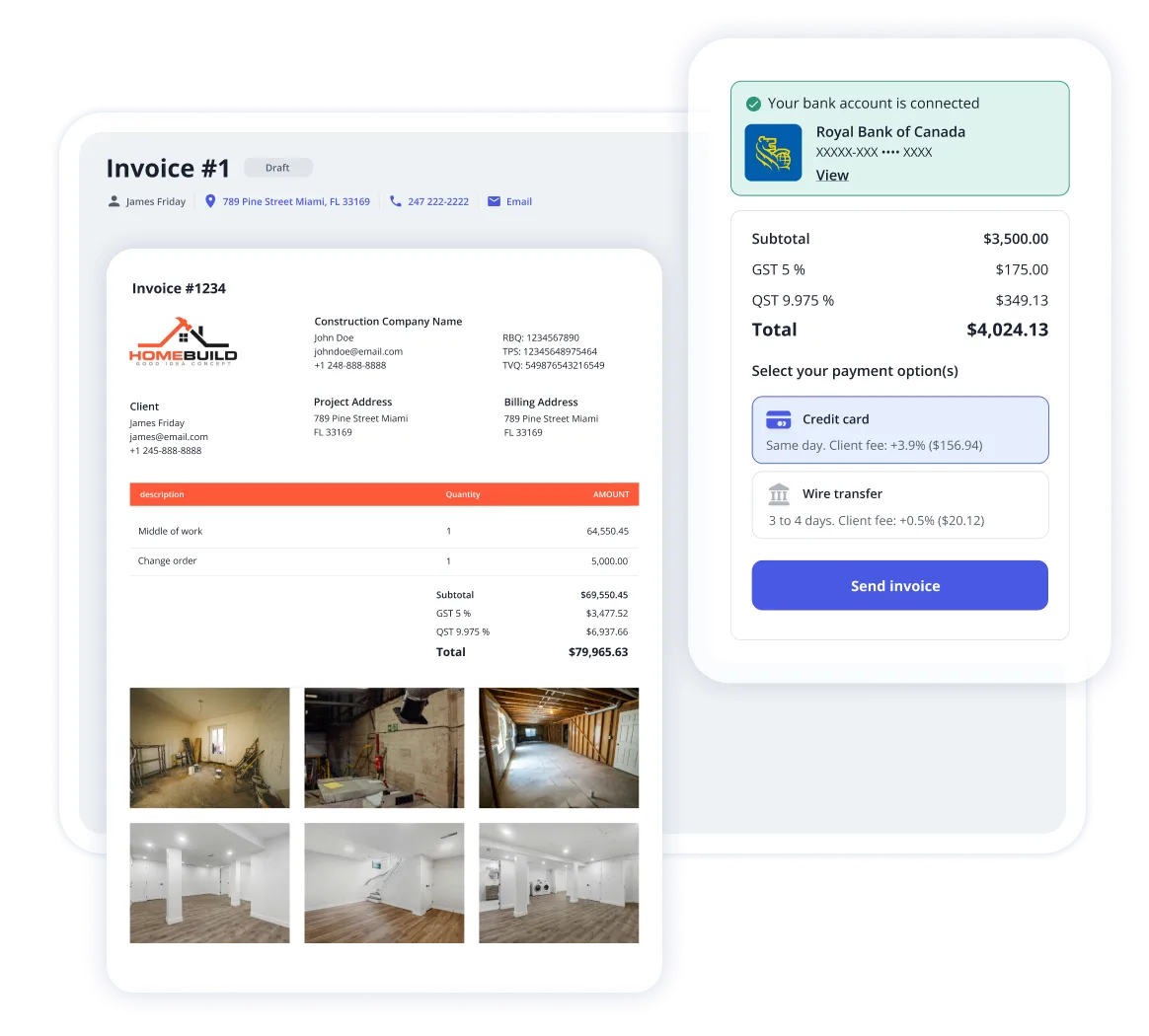
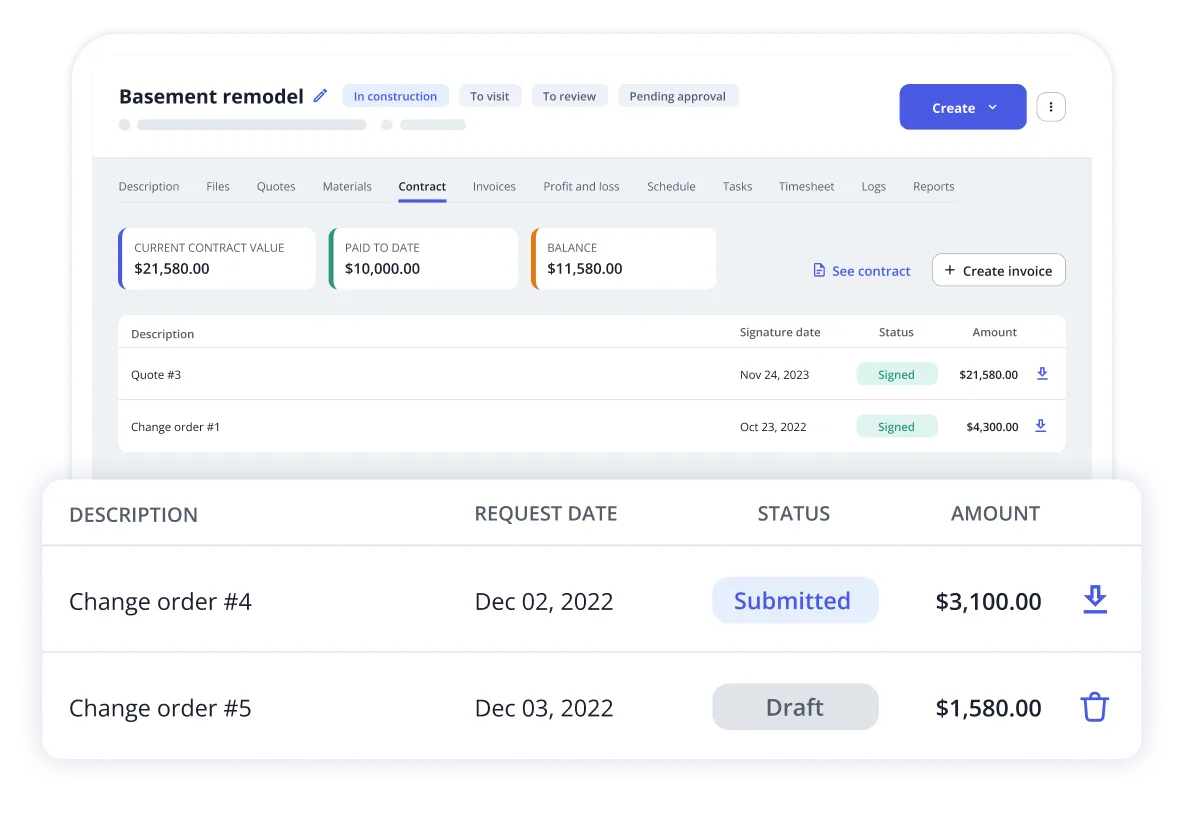
- Seamless Claims Management: If a homeowner raises a concern during the 1-year workmanship period, use the Change Order and Daily Log features to document the repair process. Having a digital trail showing you are responsive to warranty issues protects your standing with AHW and prevents "claims" from affecting your permanent record.
2026 Phase 3 Cost & Timeline Recap
- Registration Fee: $805.
- Security Deposit: $10,000 – $40,000+ (Refundable bond).
- Liability Insurance: $2,500 – $5,000 annually (depending on volume).
- Timeline: 4–8 weeks for initial underwriting and background checks.
Phase 4: Municipal Permits & Project Registration (The Final Unlock)
Phase 4 is the pivot point where your business meets the job site. In major hubs like the Halifax Regional Municipality (HRM), the permitting process has been fully digitized to handle the rigorous 2026 Energy Tier requirements.
1. Navigating Municipal Permit Portals (HRM & Beyond)
Most Nova Scotia municipalities now require all submissions through online portals (like the Halifax PPLC portal).
- 24/7 Digital Intake: You can submit applications at any time, but accuracy is critical. In 2026, portals use automated document naming conventions; if your files aren't labeled correctly (e.g., "Site_Plan_Project_X"), the system may flag your application for manual review, adding weeks to your timeline.
- Service Standards: While digital, review times for new single-family dwellings in 2026 still range from 4 to 6 weeks depending on seasonal volume.
2. The 2026 "Project Bible": Required Documentation
Your permit application is only as strong as its supporting data. To pull a permit today, you need:
- Finalized Building Plans: These must include detailed cross-sections showing your Tier 2/3 wall assemblies.
- Atlantic Home Warranty (AHW) Enrollment: You must upload a project-specific Warranty Enrollment Certificate. A general membership is not enough; the provider must have "accepted" the specific risk of this new address.
- WCB & Insurance Clearance: A current WCB Clearance Letter and proof of $2M Liability Insurance must be on file.
3. Energy Efficiency Compliance & The Energy Advisor
In 2026, the Qualified Energy Advisor (EA) is as important as your framer. Nova Scotia's adoption of higher NBC tiers makes the EnerGuide Rating System (ERS) labels mandatory for occupancy.
- Pre-Construction Modeling: Before the permit is issued, an EA must model your plans to ensure the design meets the 20% energy reduction threshold required by Tier 2.
- Blower Door Testing: A mid-construction or final blower door test is required to verify the air-tightness of the envelope. If the home fails to meet the air-exchange-per-hour (ACH) target, you may be required to perform costly remediation before the final inspection.
Strategic Value: Using Billdr for Phase 4
The permitting phase is often where projects stall due to "missing info." Billdr keeps your projects moving by centralizing the data municipal officials demand.
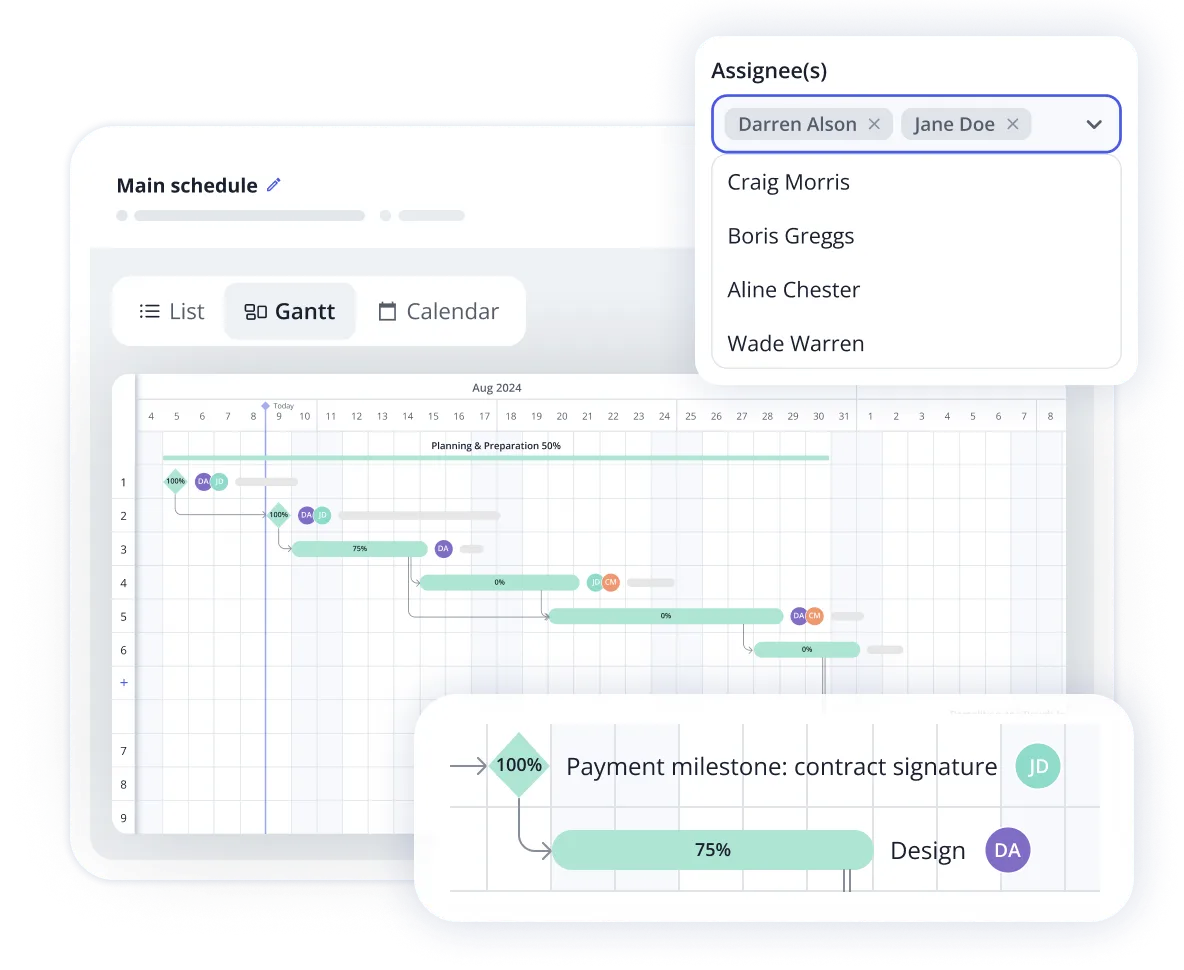
- Permit Status Tracking: Use Billdr's Schedule to create a "Permitting Phase" with sub-tasks for Site Plans, Energy Modeling, and AHW Registration. This ensures no document is forgotten and gives your clients a clear view of the "invisible" work being done.
- Energy Compliance Folder: Store your EA’s Energy Simulation Report and Blower Door results in the Document Hub. When the municipal inspector asks for proof of Section 9.36 compliance during a site visit, you can pull up the PDF on your tablet instantly.
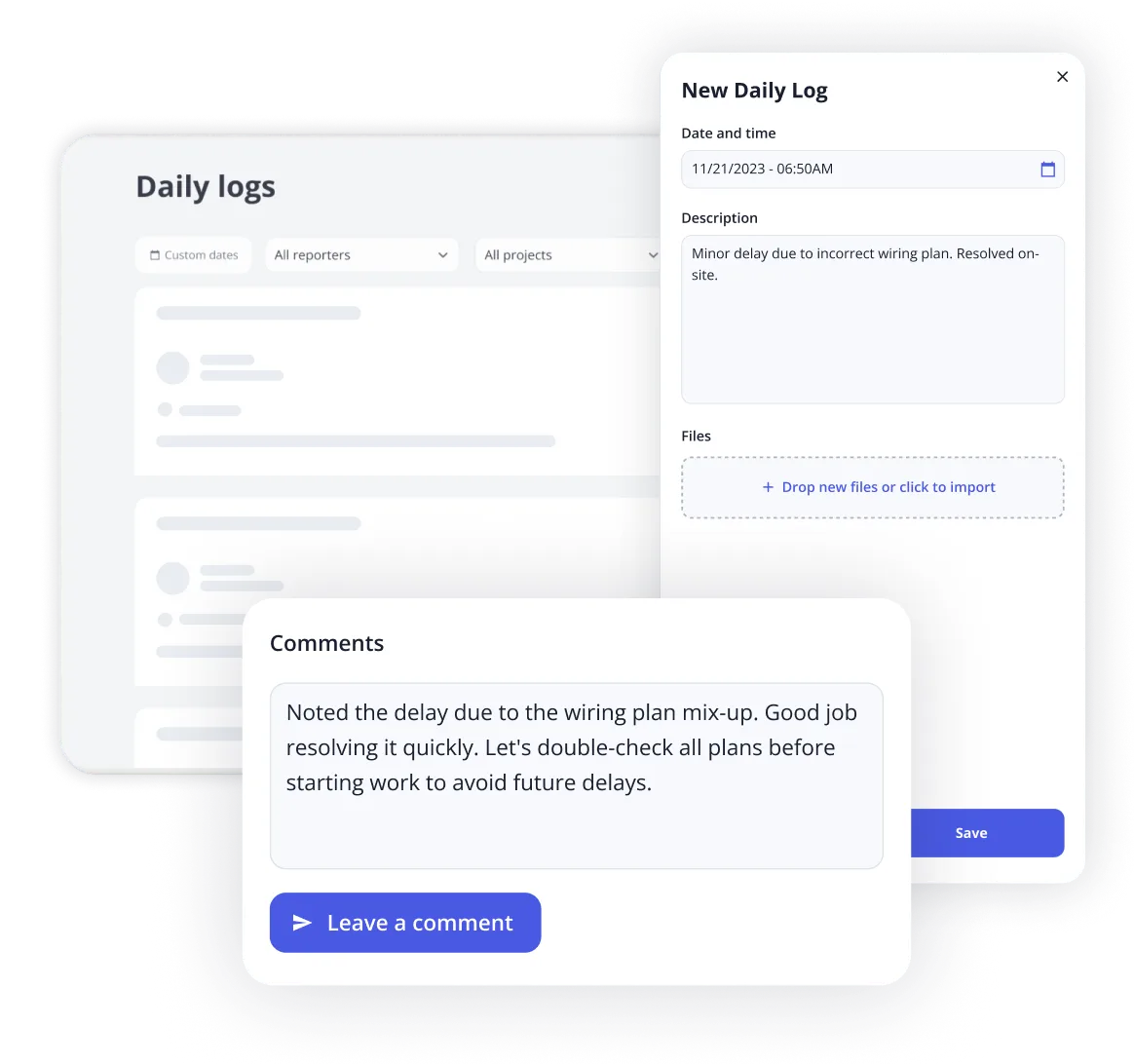
- Photo-Verified Inspections: Use Daily Logs to capture "pre-cover" photos of insulation and air barriers. If an inspector questions the continuity of your vapor barrier after the drywall is up, your photo-verified log serves as professional proof, potentially avoiding a "re-open" order.
2026 Phase 4 Cost & Timeline Recap
- Municipal Permit Fees (HRM): $1,500 – $5,000+ (based on project value).
- Energy Advisor Fees: $800 – $1,500 (per project).
- Timeline: 4–8 weeks from submission to "Shovel in the Ground."
2026 Summary of Initial Investment (Nova Scotia)
| Phase | Item | Estimated Cost (CAD) |
|---|---|---|
| Phase 1 | Net-Zero & Building Science Training | $1,200 – $2,500 |
| Phase 2 | Joint Stocks & CHBA-NS Membership | $1,000 – $1,800 |
| Phase 3 | Atlantic Home Warranty Security Deposit | $10,000 – $40,000+ |
| Phase 4 | Municipal Permits (Project Dependent) | $1,500 – $5,000 |
| TOTAL | Estimated Initial Outlay | $13,700 – $49,300+ |
2026 Timeline (Gantt Chart View)
Conclusion: Mastering the Atlantic Market
Building in Nova Scotia is a game of professional standards rather than government red tape. While the province doesn't issue a "license," the market demands it through the rigors of Atlantic Home Warranty underwriting and the technical benchmarks of CHBA-NS certification. In 2026, the builders who thrive are those who treat their project documentation as a structural component just as essential as the framing itself.
Billdr is your strategic partner in this data-driven environment. From tracking Change Orders to protect your margins to generating the detailed Financial Reports required by warranty underwriters, our platform ensures your business is built on a foundation of verifiable data. In a coastal market where technical competency is everything, Billdr helps you prove you’re a professional before you even break ground.\

Official Sources & Industry Resources
Regulatory & Legal Authorities
- Nova Scotia Registry of Joint Stock Companies (RJSC): The governing body for business registration and the mandatory starting point for all legal "Registered Builders" in the province.
- Reference: Access Nova Scotia - Registering a Business
- WCB Nova Scotia: The authority for mandatory workplace injury insurance. In 2026, a "Clearance Letter" from WCB is a prerequisite for municipal building permits.
- Nova Scotia Building Code (Office of the Fire Marshal): The provincial body responsible for the adoption of the 2020 National Building Code Tiers and energy efficiency standards.
Professional Associations & Certification
- Canadian Home Builders’ Association (CHBA) - Nova Scotia: The primary professional body for residential builders. This is the source for Net-Zero training and the Certified Residential Builder (CRB) designation.
- Catalog: CHBA-NS Professional Development
- Nova Scotia Building Officials Association (NSBOA): Essential for understanding how municipal inspectors evaluate the new 2026 energy performance paths.
- Workshops: NSBOA Education & Training
Warranty & Financing Gatekeepers
- Atlantic Home Warranty (AHW): The non-profit provider of the 1-2-7 warranty model and the primary underwriter for new builders in the Atlantic provinces.
- Natural Resources Canada (NRCan): The federal body governing the EnerGuide Rating System (ERS) and the accreditation of Qualified Energy Advisors (EAs).
Legal Disclaimer
Disclaimer: The information provided in this guide is for general informational purposes only and does not constitute legal, financial, or professional advice. While every effort has been made to nsure the accuracy of the fees, timelines, and regulatory standards as of February 2026, building requirements in Nova Scotia , the adoption of the 2020 National Building Code Tiers and Atlantic Home Warranty underwriting criteria are subject to frequent change. Use of Billdr features does not guarantee industry certification, CHBA-NS membership, or warranty enrollment, which are determined solely by the respective provincial authorities and third-party insurance providers. Readers are strongly encouraged to verify all requirements with the Nova Scotia Registry of Joint Stocks and consult with a qualified Chartered Professional Accountant (CPA) or legal counsel regarding business incorporation and WCB compliance.