
Becoming a Registered Home Builder in Manitoba: Navigating the New Home Warranty Act (2026)
Navigating Manitoba’s building regulations can feel like a maze, but it all comes down to two things: registration and protection. To pull a building permit for a new home anywhere in the province, you must first be recognized as a registered builder under The New Home Warranty Act. To help you get started, we’ve organized the journey into four manageable phases, starting with your Technical Training and moving through Warranty Approval, Provincial Licensing, and finally, Your First Permit.

Phase 1: Industry Training & Competency
While Manitoba doesn't issue a "Master License" through a single exam, the Registrar and Warranty Underwriters perform a deep-dive into your technical knowledge. If you can't prove you understand Manitoba’s unique soil conditions and climate-specific building codes, you won't get past the underwriting stage.
Note: As of 2026, new home warranties in Manitoba are voluntary (not mandated by provincial law), but carrying one through approved providers is standard for professional builders, especially MHBA members and often expected by clients, lenders, and some municipalities for smoother permitting and sales.
1. Mastering the Manitoba Building Code
To satisfy warranty providers, you must demonstrate mastery of the National Building Code – Alberta/Manitoba Edition, specifically Part 9 (Housing and Small Buildings). In Manitoba, there is a heavy focus on:
- Energy Efficiency (9.36): Manitoba has some of the strictest insulation and air-tightness requirements in Canada.
- Section 9.32 (Ventilation): Critical for preventing mold in Manitoba’s extreme cold-weather cycles.
- Soil & Foundation Science: Understanding "expansive soils" common in the Red River Valley to prevent foundation shifting.
2. Key Institutions & Designations
To prove your competency, you should leverage these specific Manitoba resources:
- MHBA Master Builder Designation: This is the "gold standard." To qualify for a Certified Master Builder certificate, your company must have a Certified Housing Professional (CHP) on staff. This requires at least 5 years of industry experience and ongoing professional development (8 hours annually).
- RRC Polytech (Red River College): The go-to for the "Part 9 The House" course. In 2026, many builders will take the CODE-1009 Exam at RRC to prove they can navigate the code book for municipal permit applications.
- PHBI (Professional Home Builders Institute): Offers the Accredited Master Builder track, covering 15 courses ranging from Building Science to Construction Law.
3. The "Soft" Experience Rule
Warranty providers like WBI or The Manitoba Home Warranty Program generally look for 2–5 years of documented supervisory experience. They want to see that you haven't just "built a deck," but have managed multi-trade sites, budgets, and safety protocols.
Strategic Value: Using Billdr for Phase 1
In a province where your "track record" determines your warranty premiums, data is your best leverage.
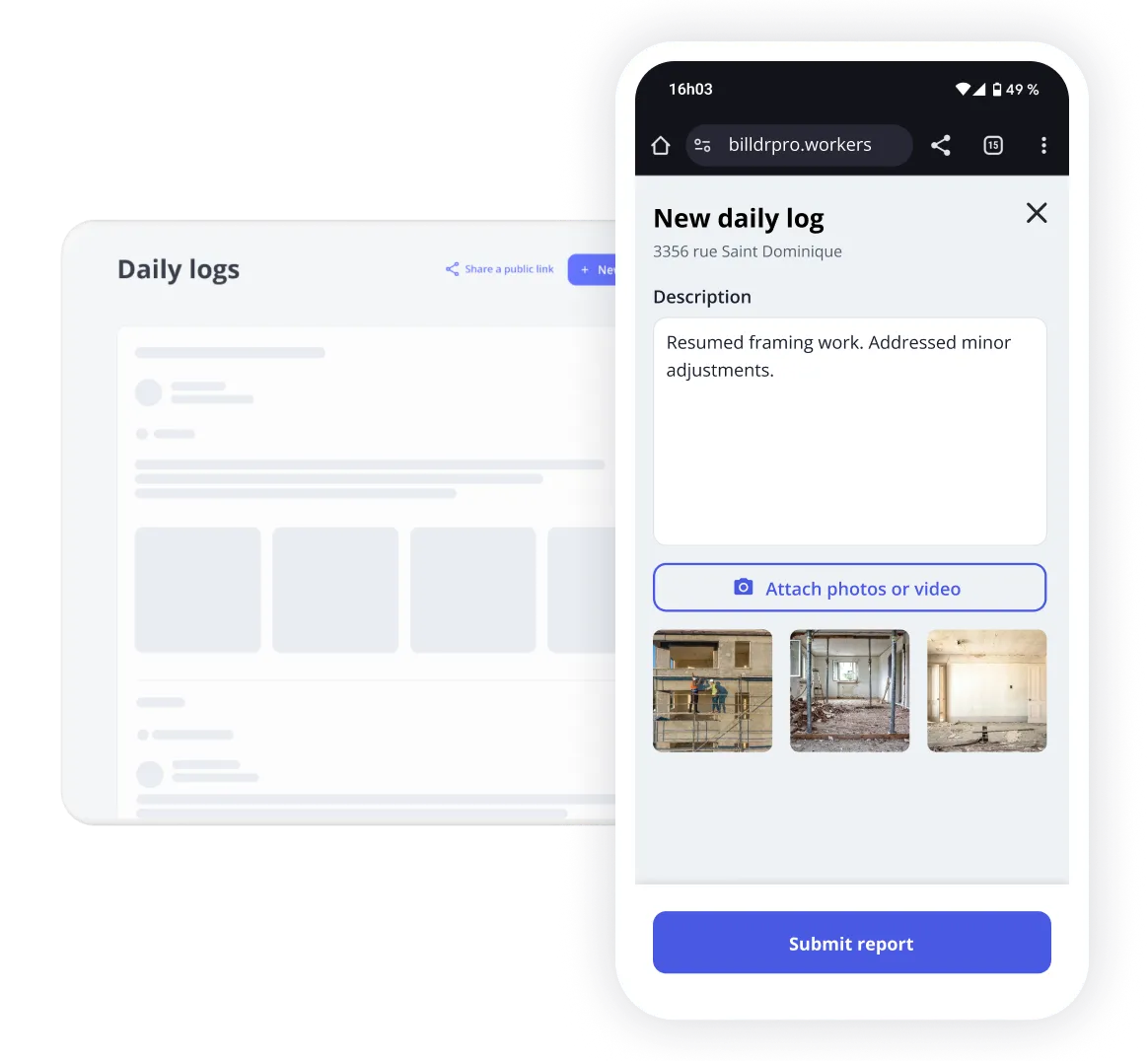
- The Experience Portfolio: Use Billdr's Daily Logs to create a digital resume of your previous work. If you are applying for the MHBA Master Builder designation, providing a time-stamped, photo-documented history of your site management proves you have the 5 years of experience required.
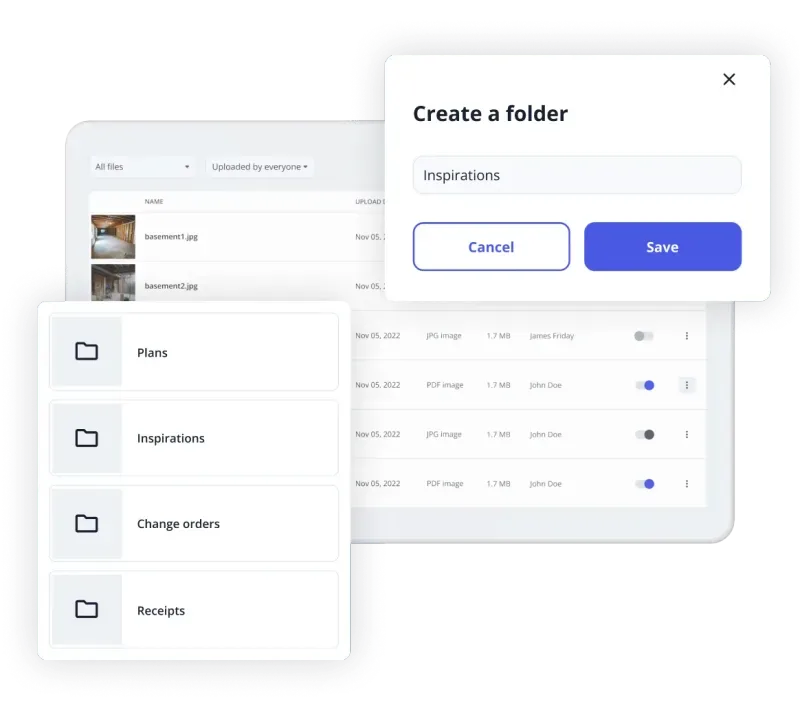
- Documentation: Store your certificates from RRC Polytech or PHBI in the Billdr Document Hub. When the Warranty Underwriter asks for proof of your "Technical Lead’s" qualifications, you can share a professional folder in seconds.
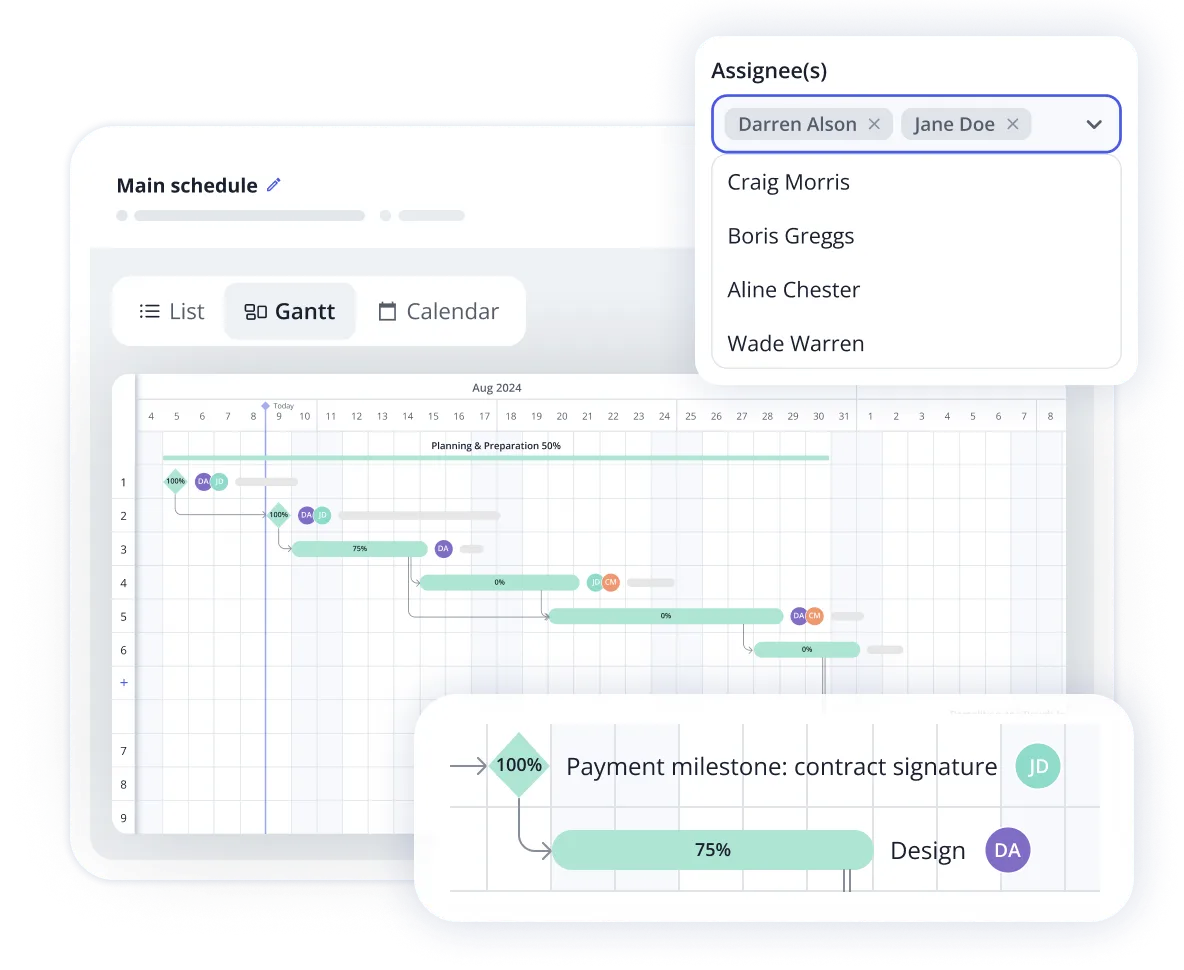
- Project History Export: Before you even pull your first permit, you can show potential clients and partners a "Simulated Project" in Billdr, proving that you have the professional infrastructure (Schedules, Gantt Charts, and Budgeting) of a much larger firm.
2026 Phase 1 Cost & Timeline Recap
- Training Fees: $1,500 – $3,500 (depending on if you pursue the Master Builder track).
- Code Exam (RRC): Approximately $204.
- Time Commitment: 6–12 months to build a verifiable track record and complete core coursework.
Phase 2: Provincial Registration (The Registrar)
Once you've built your technical competency and secured preliminary interest from a warranty provider, the next step is formal industry approval, often through membership in the Manitoba Home Builders’ Association (MHBA) and enrollment with an approved warranty program. This serves as the "final stamp" that elevates your company from a general contractor to a recognized professional home builder in Manitoba's market. MHBA membership and warranty provider backing provide credibility that municipalities, clients, lenders, and partners check for new home projects.
Note (reinforcing Phase 1): As of 2026, there is no mandatory provincial registration or public registry of home builders under law (the New Home Warranty Act was never implemented and was repealed). However, joining MHBA and enrolling with a third-party warranty provider is standard for serious builders and often essential for market access, client trust, and smoother permitting.

- Industry Membership & Directory Listing
To build credibility and access key networks, most professional builders join the MHBA and register with a warranty provider like the New Home Warranty Program of Manitoba or WBI Home Warranty. These listings (e.g., MHBA member directory or provider builder directories) are publicly viewable and frequently checked by homeowners and permit offices.
- The Process: Warranty providers verify your good standing (technical readiness from Phase 1, financials, experience) before approving enrollment. MHBA membership often requires similar proof, including at least 2 years of relevant experience.
- "Fit and Proper" & Integrity Review
While not a provincial mandate, MHBA and warranty providers conduct thorough reviews of your business integrity to approve membership/coverage. This typically includes:
- Corporate Governance: Disclosure of directors, officers, and business structure.
- Legal & Financial History: Checks for bankruptcies, relevant lawsuits, or fraud-related issues.
- Technical Lead: Designation of a competent person (e.g., your CHP from Phase 1) responsible for code compliance and build quality.
- Trust Account Compliance for Buyer Deposits
Manitoba's real estate regulations (via the Manitoba Securities Commission exemptions for new home builders) require careful handling of buyer deposits to protect consumers.
- The Rule: Initial deposits from buyers (typically capped at $10,000) must be held in a dedicated trust account (or by your lawyer/notary) and cannot be used for general expenses until milestones are met. This applies especially when selling pre-construction or under contract.
Strategic Value: Using Billdr for Phase 2
This phase is where disorganized records can delay approval or raise red flags with providers and associations. Billdr helps you present as a polished, low-risk professional:
- Trust Account Transparency: Use Billdr's Payment Tracking to clearly separate client deposits from operating funds, creating an auditable trail ready for your lawyer, MHBA, or warranty provider.
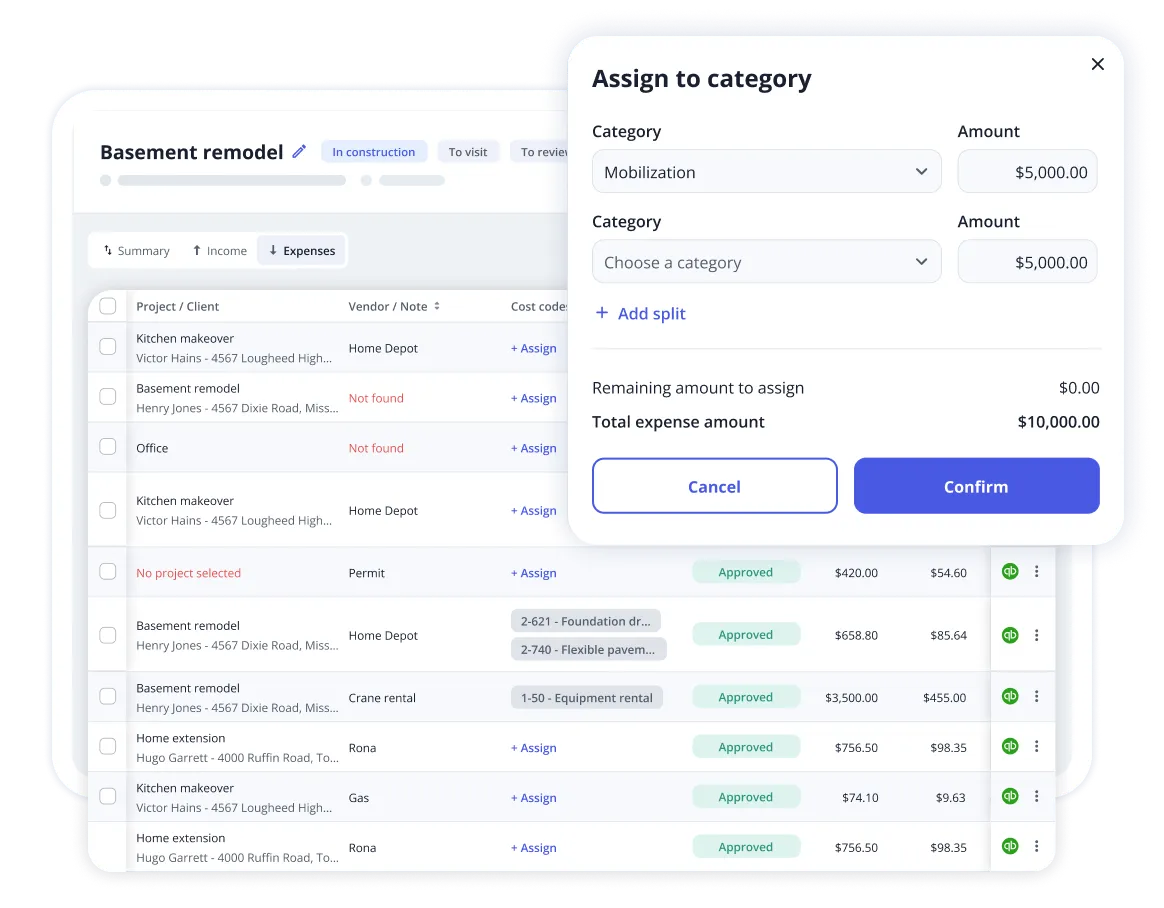
- Document Readiness: Compile all required paperwork (corporate docs, IDs, warranty letters, experience proofs) in the Billdr Document Hub. Build a dedicated "Approval & Membership Folder" for quick sharing.
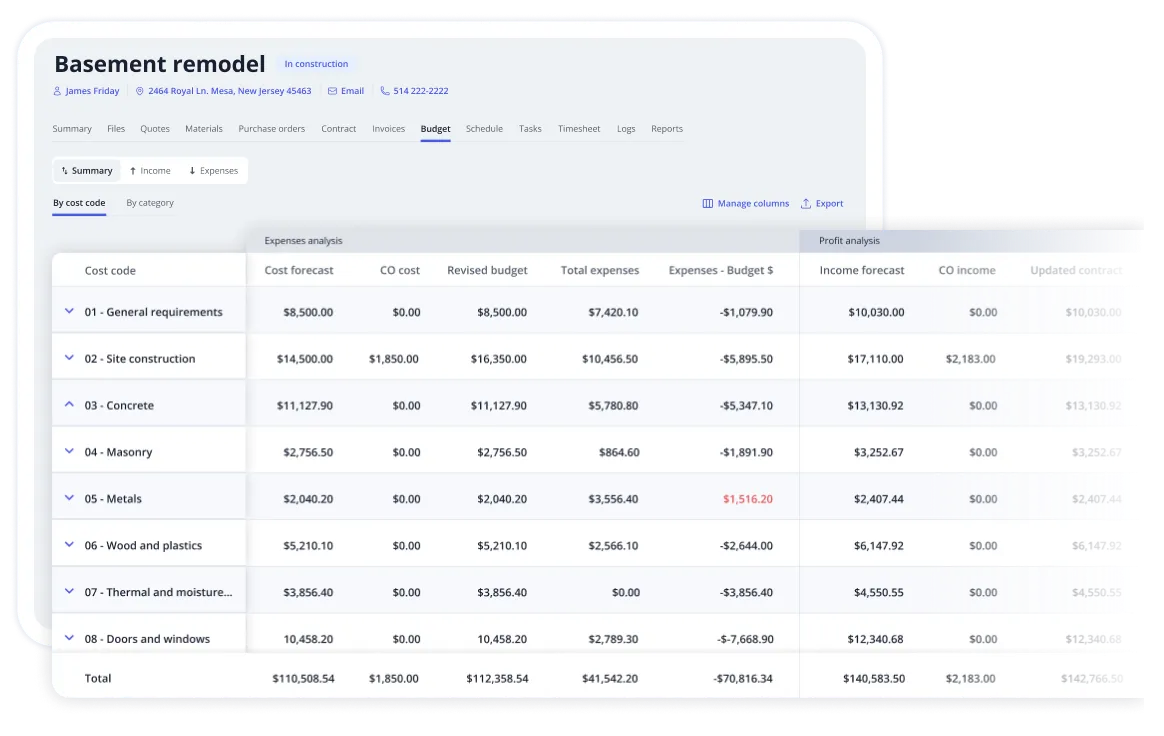
- Financial Integrity: Export Budget vs. Actual reports from Billdr to demonstrate fiscal discipline. Key for satisfying integrity/financial reviews by underwriters or MHBA.
2026 Phase 2 Cost & Timeline Recap
- MHBA Membership (Recommended/Standard): $850 – $1,200 (Builder level; includes CHBA portion + GST).
- Warranty Provider Enrollment/Admin Fees: Varies ($500–$1,000 estimated for setup/underwriting prep).
- Timeline: 4–8 weeks for MHBA approval, warranty underwriting, and background checks (faster with strong Phase 1 prep).
Phase 3: Securing Third-Party New Home Warranty Coverage
In Manitoba's home-building landscape, third-party warranty coverage is often the primary hurdle for new builders. While not mandated by provincial law (as confirmed in Phase 1), you effectively cannot compete professionally, satisfy most clients, secure financing, or access full market opportunities without it. MHBA members are required to carry third-party warranty on all new homes, and even non-members typically provide it to build trust, meet lender requirements (e.g., for mortgages), and differentiate from lower-quality builders. Without coverage, buyers may hesitate, lenders may balk, and your reputation could suffer, making this step essential for serious, long-term success.
Note (reinforcing earlier phases): As of 2026, new home warranties remain voluntary province-wide. However, joining MHBA (standard for professional builders) mandates third-party coverage, and many clients/lenders expect it. This creates a de facto standard that protects homeowners and gives builders credibility.
The Standard Coverage Structures
Approved providers offer tiered warranties, with the most common being a base 1-5 year plan or an upgraded 1-2-7 structure (often called "enhanced" or "premium"). Coverage typically includes:
- 1 Year: Defects in workmanship and materials (e.g., poor installation, faulty products supplied by the builder). This covers issues reported within the first year after possession/date of occupancy.
- 2 Years (in upgraded plans): Building code violations (especially those affecting health/safety or causing material damage), plus defects in delivery/distribution systems like electrical wiring, plumbing, HVAC, ventilation, and exterior cladding.
- 5–7 Years (structural): Major structural defects (e.g., foundation settlement, load-bearing wall failures) that compromise the home's integrity. Limits vary by provider. Often $50,000–$100,000 per home for workmanship/materials, higher for structural (up to $265,000/unit in some cases), with caps on common elements in multi-family builds.
Additional perks often include deposit protection (up to $25,000–$50,000 if the builder fails to refund or complete) and coverage even if the builder goes out of business. Exact terms depend on the provider and your approval level. Always review the policy certificate for your specific project.
Approved Warranty Providers
You enroll as a Builder Member with one of Manitoba's recognized third-party providers. Popular options include:
- New Home Warranty Program of Manitoba (not-for-profit, long-established): Offers standard 1-5 year (up to $50,000 workmanship/materials) or upgraded 1-2-7 (up to $100,000 workmanship, extended structural). Widely used by MHBA members.
- WBI Home Warranty: Active in Western Canada (including Manitoba); provides flexible coverage with higher limits in some cases (e.g., up to $265,000/unit for single-family).
- Others: Blanket Home Warranty (SOLO program for smaller builders), Aviva, Progressive, National Home Warranty check MHBA's list for current approved partners.
Enrollment is per-builder (with project-specific registration later), and providers often require proof of MHBA membership or equivalent standards.
The Underwriting Process
Providers treat new builders as higher-risk, so expect a thorough audit before approval:
- Financial Review: Bank statements, credit checks, proof of insurance, and financial statements to assess stability.
- Technical & Experience History: Evidence from Phase 1 (e.g., CHP designation, 2+ years supervisory experience, code mastery).
- Security/Performance Bond: New or smaller builders often post a refundable security deposit or letter of credit ($10,000–$40,000+ common range; sometimes higher based on volume/risk). This acts as a bond to cover potential claims if issues arise.
- Other Requirements: Business registration, insurance certificates, and sometimes references or site visit history.
The process can take 4-12 weeks, depending on your preparation. Strong Phase 1 documentation (experience portfolio, financial tracking) speeds things up and may reduce your required deposit.
Tips to Navigate This Phase Smoothly
- Start early and contact providers after Phase 1/2 to get pre-approval feedback.
- Prepare a strong application package: financials, MHBA membership proof (if applicable), experience logs, and insurance docs.
- Budget for the deposit: it’s often refundable over time as you build a claims-free track record.
- Compare providers: Some offer better limits, faster claims, or lower premiums for established builders.
Once approved and enrolled, you're positioned to register specific projects (Phase 4) and pull permits with confidence. This coverage not only protects buyers but also shields your business from major disputes making it a smart investment in your professional future.
Phase 4: Permits & Project Registration
With your technical foundation solid (Phase 1), industry approvals in place (Phase 2), and third-party warranty coverage secured (Phase 3), you're ready for the final execution stage: obtaining municipal building permits and registering your specific project. This is where your plans become reality approving construction under the Manitoba Building Code and local bylaws.
In Manitoba, building permits are issued by the local authority having jurisdiction (AHJ) typically the City of Winnipeg for urban areas or regional planning districts/rural municipalities elsewhere. There's no provincial "license" required (as the New Home Warranty Act framework was never implemented), but municipalities require detailed submissions to confirm code compliance, zoning approval, and safety standards. For MHBA members or builders with warranty coverage, project-specific enrollment adds an extra layer of professionalism and buyer protection.
Note (reinforcing earlier phases): As of 2026, Manitoba municipalities do not mandate proof of third-party warranty for issuing building permits (unlike some provinces). However, MHBA requires members to enroll each new home with their approved warranty provider before or during permitting, and many clients, lenders, or subdivision rules expect it. Skipping this can limit market appeal or financing options.
Project-Specific Warranty Enrollment (If Applicable)
- Before or alongside your permit application, register the individual home/project with your warranty provider (e.g., New Home Warranty Program of Manitoba or WBI). This generates a Home Registration Certificate or enrollment confirmation.
- Why it matters: MHBA members must do this for every new home to maintain membership compliance. It protects buyers and demonstrates professionalism even if not required for the permit itself.
- Process: Submit project details (address, plans, builder info) online or via the provider's portal. Fees vary (often $200–$500 per home + any per-square-foot charges).
- Timeline: Usually quick (days to weeks) once you're an approved builder member.
Apply for Development & Building Permits
- Most new homes require both a development permit (zoning/land use compliance) and a building permit (construction details/code review). In Winnipeg, many single-family homes in established areas or greenfield subdivisions use a combined application.
- Key Steps (City of Winnipeg example adapt for regional districts):
- Register/log in to Winnipeg's Permits Online portal (winnipeg.ca/permitsonline).
- Submit required documents: Site plans, architectural drawings, structural/engineered details, energy efficiency compliance (Section 9.36), ventilation records, owner's statement, professional designer's certificate (if needed), and fees.
- For new single/two-family dwellings: Use the specific "Construct New – Single/Two Family Dwelling" form.
- Provide proof of MHBA membership or warranty enrollment if applicable (not mandatory for permit issuance but helpful for credibility).
- Regional/rural areas: Contact your local planning district or municipality (e.g., RM of Springfield, Interlake Planning District) for forms processes vary but often require Manitoba Building Code compliance and may involve provincial Inspection and Technical Services (ITS) for non-Winnipeg areas.
- Fees: Vary by project size/value (e.g., Winnipeg base fees + per-square-foot; expect $1,000–$5,000+ for a typical new home).
- Timeline: 4–12 weeks for approval (faster in combined applications or with complete submissions).
- Key Steps (City of Winnipeg example adapt for regional districts):
Trust Account Compliance for Buyer Deposits
- When selling new homes (pre-construction or under contract), follow Manitoba Securities Commission rules for consumer protection especially relevant for MHBA builders or those offering warranties.
- The Rule: Initial deposits from buyers (capped at $10,000 per exemptions/orders for "new home builders") must be held in a dedicated trust account (or by your lawyer/notary) and cannot be used for general operating expenses until construction milestones are reached (e.g., foundation complete).
- Why it matters: This safeguards buyers if issues arise. Non-compliance can lead to complaints or regulatory scrutiny.
- Best practice: Use separate accounts and clear contracts; document everything for audits.
Strategic Value: Using Billdr for Phase 4
Permitting and project registration involve heavy paperwork, timelines, and client coordination. Areas where disorganization can cause delays or rejections. Billdr streamlines this:
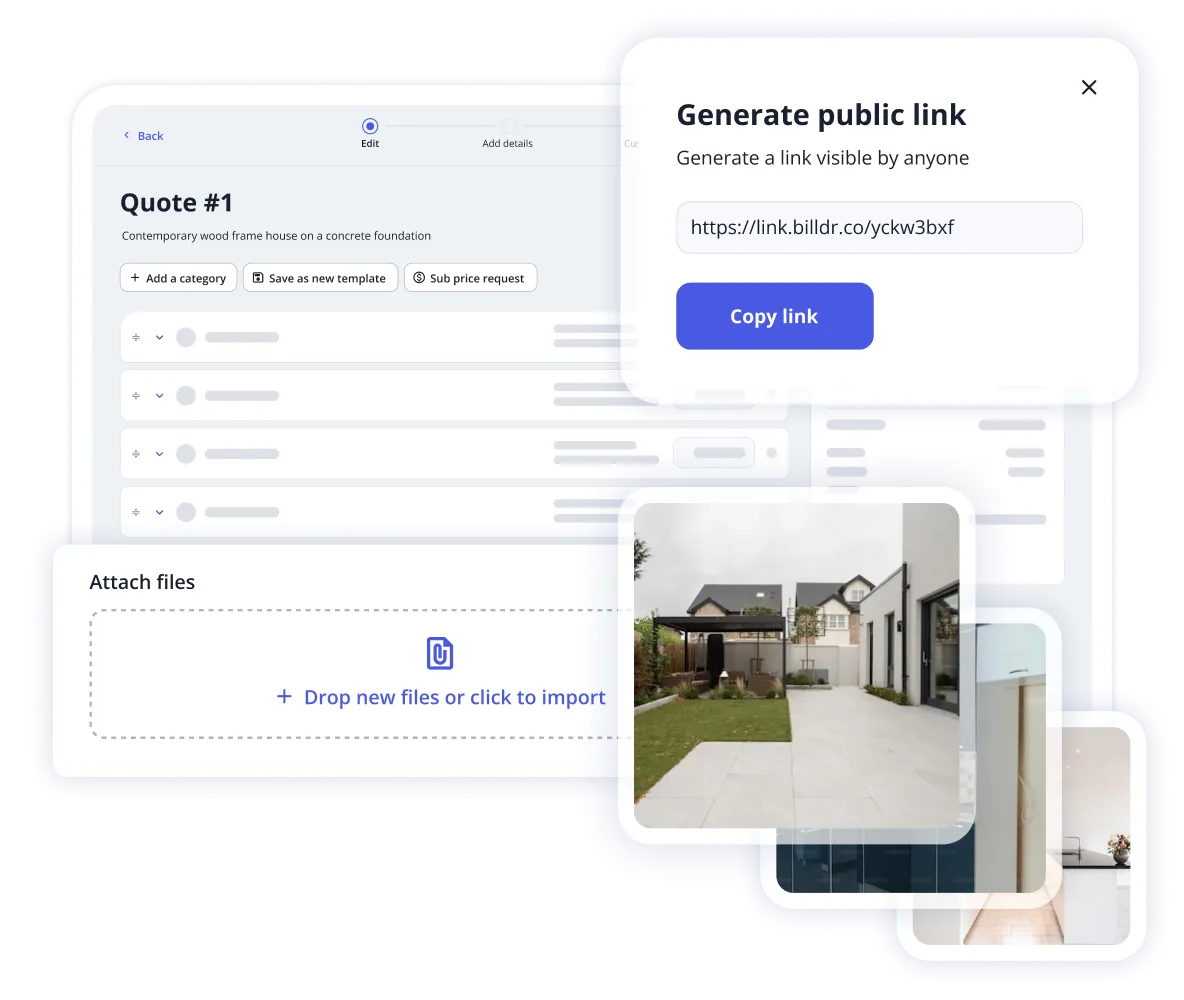
- Permit Document Management: Store all plans, certificates, compliance forms, and warranty enrollment docs in the Document Hub. Create a "Project Permit Folder" for quick uploads to municipal portals.
- Milestone & Deposit Tracking: Use Payment Tracking and Daily Logs to monitor buyer deposits in trust (export auditable reports for MSC/lawyer review) and track build milestones for release.
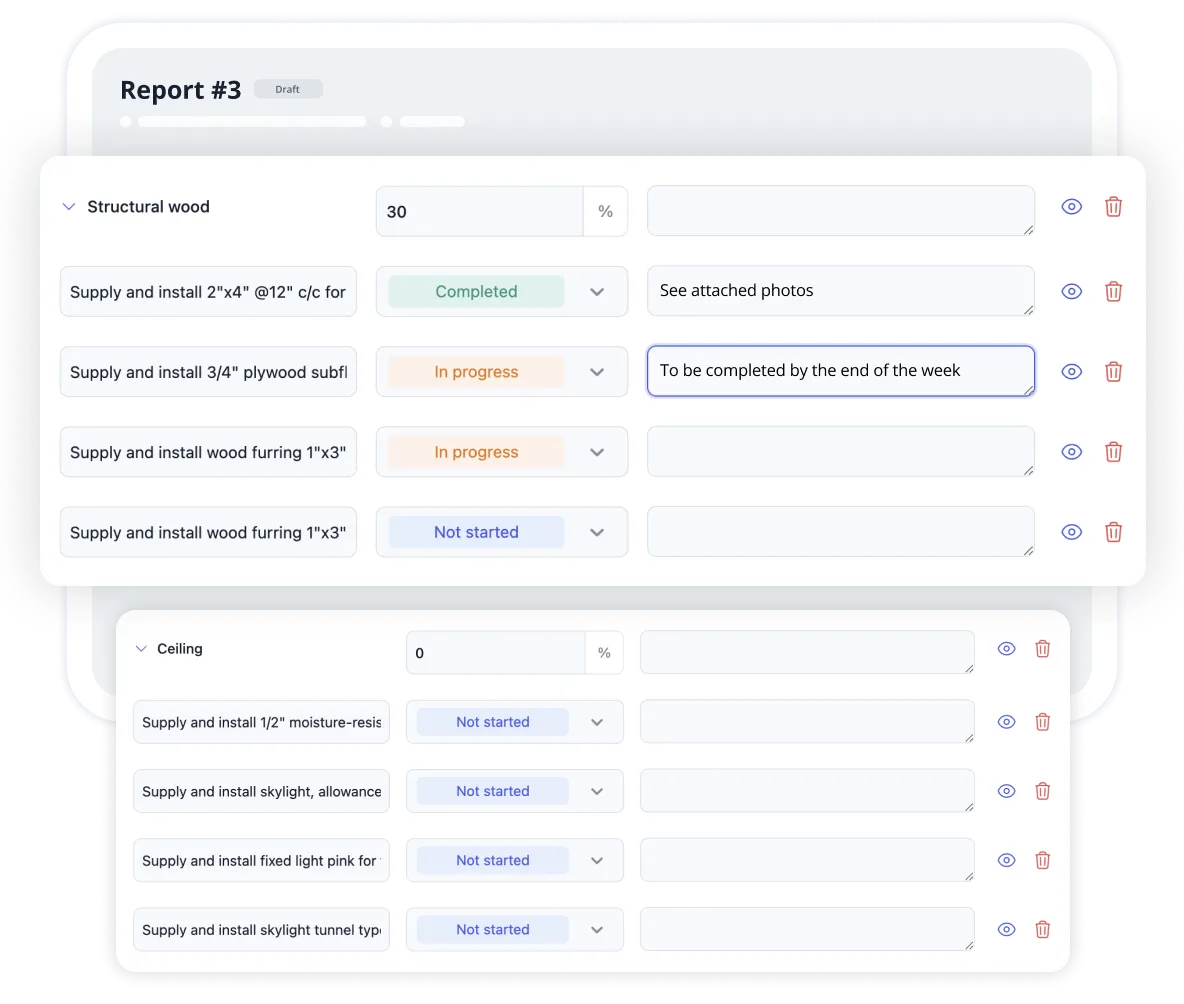
- Client Communication & Proof: Share progress updates, Gantt charts, and simulated project views with buyers/lenders to build confidence during permitting waits.
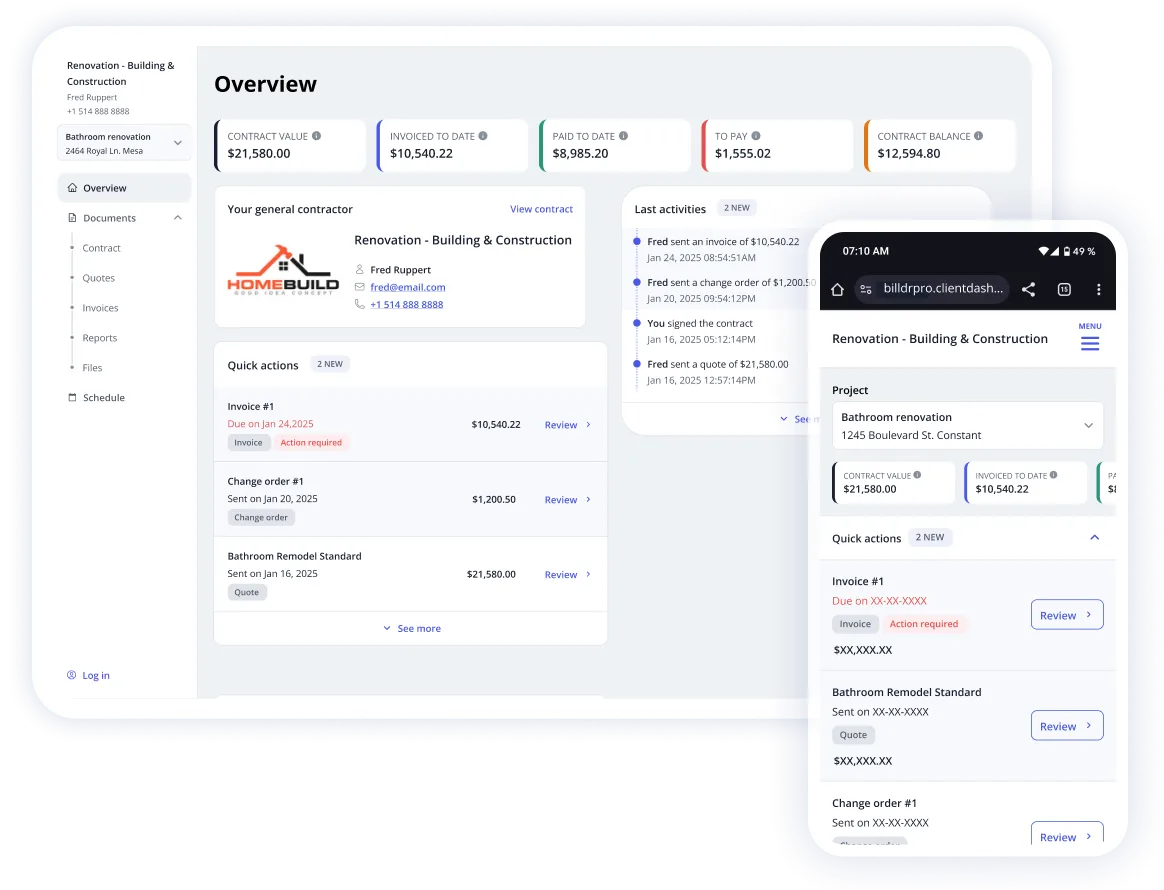
- Compliance Exports: Generate reports showing code adherence, budget control, and warranty status impress inspectors or underwriters if follow-up is needed.
2026 Phase 4 Cost & Timeline Recap
- Municipal Permit Fees (per project): $1,000 – $5,000+ (Winnipeg/regional; varies by size/value).
- Warranty Project Enrollment Fee: $200 – $500+ (per home; provider-specific).
- Trust Account Setup (if needed): Minimal (bank/legal fees).
- Timeline: 4–12 weeks for permit approval; faster with complete apps and prior approvals.
This phase marks the transition from planning to building. Congratulations if you've reached here! With permits in hand, schedule inspections, start site work, and deliver a quality home backed by your professional standards.
2026 Summary of Initial Investment (Manitoba)
Conclusion: Navigating the Manitoba Market with Confidence
Success in Manitoba’s 2026 residential market is less about navigating government red tape and more about maintaining high professional standards. By mastering the 1-2-7 warranty model and demonstrating strict financial discipline, you don't just meet a requirement, you build a reputation that underwriters and clients trust.
Billdr is your operational partner in this journey, providing the digital infrastructure to track your project history, manage trust accounts, and lower your risk profile from Day 1. With the right systems in place, you can move past the paperwork and focus on what matters most: building quality homes.
Official Regulatory & Legal Sources
- The Manitoba Securities Commission (MSC): The authority governing the mandatory trust account rules for builder deposits.
- Reference: MSC - Real Estate Exemptions for New Home Builders (Specifically regarding the $10,000 trust cap).
- The New Home Warranty Act (Manitoba): While the mandatory "provincial registry" was scrapped, the legislation still defines the 1-2-7 coverage standards that warranty providers must follow.
- City of Winnipeg Planning, Property & Development: The hub for building permit requirements and the 2026 updated structural drawing standards.
Professional & Education Resources
- Manitoba Home Builders’ Association (MHBA): The primary professional body for builders in the province. Use this for the Master Builder and CHP (Certified Housing Professional) designations.
- Professional Home Builders Institute (PHBI): Approved provider for the "Accredited Master Builder" track and technical building science courses.
- Curriculum: PHBI - Manitoba Master Builder Courses
- Red River College Polytech (RRC): The source for the National Building Code (NBC) - Part 9 technical training.
- Course Info: RRC Polytech - Part 9 The House
Key Warranty Providers (The "Underwriters")
- The New Home Warranty Program of Manitoba: The longest-running warranty provider in the province.
- WBI Home Warranty: A major western Canadian provider often used for smaller/newer builders needing flexible underwriting.
Legal Disclaimer
Disclaimer: The information provided in this guide is for general informational and educational purposes only and does not constitute legal, financial, or professional advice. While every effort has been made to ensure the accuracy of the fees, timelines, and regulatory standards as of January 2026, building requirements in Manitoba including the 1-2-7 warranty standards and Manitoba Securities Commission trust account rules are subject to change without notice. Use of Billdr features does not guarantee industry registration, MHBA membership, or warranty underwriting approval, which are determined solely by the respective provincial authorities and third-party insurance providers. Readers are strongly encouraged to verify all requirements with official government portals and consult with a qualified Chartered Professional Accountant (CPA) or legal counsel before making financial commitments or submitting license applications.